The mental health benefits of sleep
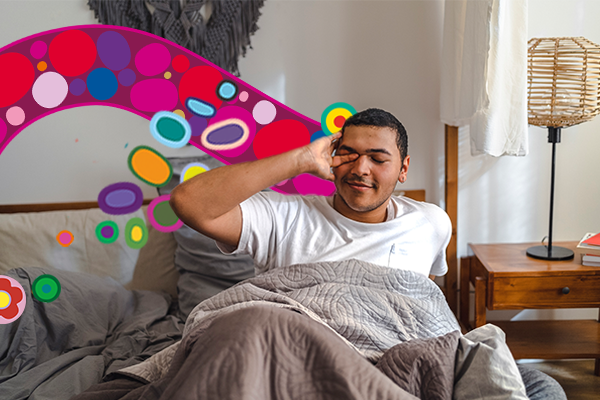
Do you ever watch the clock while you work out how little sleep you’ll get? The frustration is real if you find it difficult to fall asleep.
Sleep is crucial for your physical and mental wellbeing. A good sleep provides an opportunity for your body to repair and rejuvenate itself. A poor sleep can affect you in many ways:
tiredness during the day
poor concentration
irritability
aches and pains in muscles and bones
weakened immune system.
Poor sleep may happen to people at different stages in their life, but issues with disrupted sleep are often experienced by people with mental health conditions. Research has found that people with insomnia are 10 times more likely to have depression and 17 times more likely to have anxiety than the general population. Often, sleep gets disrupted by worries and doubts that are hard to ignore.
Simple lifestyle changes may help to improve the quality and length of your sleep.
Tips for a good nights sleep
Workout your body and mind
Exercise is a useful way to use up energy but aim to do it in the first half of the day.
Limit alcohol, caffeine and nicotine
The best time to call it quits is around four to six hours before bed.
Shutdown screens
Screen lights and apps may trigger hormones in your brain that keep you alert. Make sure to avoid screens in the two hours before you go to bed.
Make sure your bedroom is comfortable
Create a soothing environment in your bedroom encourage sleep. Use heavy curtains and rugs to block out light and absorb sound, keep the room cool, and make sure your mattress, pillows and blankets are comfortable.

24/7 Medibank Mental Health Support
Medibank health insurance members can chat to a mental health professional about how they feel and ask questions about a range of mental health concerns for themselves or a loved one and get guidance on what they can do next. Chat online or call 1800 644 325 anytime of the day or night, 7 days a week at no extra cost.~
Have a consistent bedtime
Try to develop a bedtime routine and go to bed and wake up at around the same time each day (even on the weekends). Avoid naps during the day. Your bed should also be kept for sleeping only - don’t read, watch screens or use your phone in bed.
Get out of bed if you can't sleep
If you haven’t been able to sleep after 20 minutes, get up and do something dull in dim light until you feel tired and try again. Repeat this as often as needed until you fall asleep.
You can also keep a notepad by your bed and write down any persistent thoughts you have to get them out of your head.
If none of these strategies work for you, it may be worth speaking to a specialist to find out about the treatment options available.
Where to get help
If your life or someone else’s is in danger, call 000 immediately.
If you’re in distress and need help, call Lifeline on 13 11 14 for 24/7 crisis support.
For non-emergency support, your GP or regular health practitioner is often the best place to start. They will be able to assess your individual situation and recommend the best next steps for your recovery.
Medibank health insurance members can chat to a mental health professional about how they feel and ask questions about a range of mental health concerns for themselves or a loved one and get guidance on what they can do next. Chat online or call 1800 644 325 anytime of the day or night, 7 days a week at no extra cost~.
Remember that help is always available, no matter the situation.
How can we help?

I want to know how my cover supports mental health

I need help and want to talk
Related articles









































Things you need to know
~Some referred services may involve out of pocket costs and waiting periods may apply.
While we hope you find this information helpful, please note that it is general in nature. It is not health advice, and is not tailored to meet your individual health needs. You should always consult a trusted health professional before making decisions about your health care. While we have prepared the information carefully, we can’t guarantee that it is accurate, complete or up-to-date. And while we may mention goods or services provided by others, we aren’t specifically endorsing them and can’t accept responsibility for them. For these reasons we are unable to accept responsibility for any loss that may be sustained from acting on this information (subject to applicable consumer guarantees).