-
As winter rolls in, are you looking to help boost your immune system with food? “Focus on a diverse mix of whole foods, especially vibrant, colourful plants packed with vitamins, minerals and polyphenols, alongside quality sources of protein to give your body the building blocks it needs to stay well,” says Lauren Atkins, Advanced Accredited Practising Dietitian at OnCore Nutrition.
While we might reach for an orange and its vitamin C, Atkins says it’s not about hero foods. “Think of your immune system as a highly trained security force,” she says. “A single superfood is like giving one guard a better flashlight. But a varied, nourishing diet? That’s what keeps the whole team well-staffed, well rested and ready to respond.”
In winter, it can sometimes feel like catching a cold is inevitable. If you do catch one, knowing how long you might be contagious for could help you avoid passing it on.
Key nutrients that support immune health
Rather than focusing on ‘superfoods', it’s helpful to understand the nutrients your immune system relies on, and how they show up in the food you eat.
Vitamin C
Foods containing vitamin C can often be the first thing we reach for when a cold comes on. While it may not stop you getting sick, regular intake may help reduce how long and how severely symptoms stick around. “Vitamin C acts like a dedicated clean up crew that keeps healthy cells thriving and sweeps up the cellular debris left behind after your immune cells have battled an infection,” says Atkins.
And it’s not just citrus. You’ll also find vitamin C in:
- red and yellow capsicum (often higher than oranges)
- kiwi fruit
- broccoli
- brussels sprouts
- strawberries
- tomatoes.
Iron
“Iron is the fuel that powers your immune system’s heavy machinery,” says Atkins. There are two types of iron in food. Haem iron (from animal foods) and non-haem iron (from plant foods).
Haem iron can be found in:
- meat including beef, lamb, pork and kangaroo
- poultry such as chicken and turkey
- salmon, sardines and tuna.
You can find non-haem iron (plant-based) in:
- dark leafy greens like spinach and silverbeet
- firm tofu and tempeh
- lentils, chickpeas, and kidney beans
- fortified whole grain cereals.
Because plant-based iron is a little harder for the body to absorb, a good trick is to pair these foods with a source of vitamin C, like a squeeze of lemon juice over your spinach or some sliced capsicum with your tofu. This acts like a key, unlocking the iron and significantly increasing its absorption.
READ MORE: How much protein do you really need?Zinc
Zinc helps your immune system communicate and respond properly when you’re fighting off an infection. It supports the cells that identify and attack viruses and bacteria, while also helping to keep inflammation in check.
If you’re not getting enough zinc, it can show up as getting sick more often, infections that linger, slow wound healing, mouth ulcers, or changes in taste and smell.
To boost your zinc intake, include the following in your diet:
- oysters and fish
- lean beef and poultry
- pumpkin seeds (pepitas) and hemp seeds
- lentils and baked beans.
Your gut health and immunity
According to Atkins, around 70% of your immune system lives in your gut, making gut health a key piece of the puzzle.
“Your gut microbiome is like a training academy for your immune system,” says Atkins.
To support it, include both prebiotic and probiotic foods in your diet.
Prebiotic foods (feed good bacteria):
- garlic
- onions
- oats
- legumes
Probiotic foods (contain good bacteria):
- yoghurt
- kefir
- kimchi
- miso
Together, these help support a balanced microbiome and regulate inflammation.
READ MORE: Fermented foods for your gut health
What to eat and drink when you’re sick
When you are actively unwell, your body is likely using a decent amount of energy to fight the infection. Digestion takes work, so we want to provide nourishing foods that are gentle on the stomach. Here are a few of Atkin’s recommendations:
- Chicken soup is a classic for a reason, it provides hydrating fluids, nutrients and easy to digest protein.
- Try drinking your nutrients in smoothies with protein, fruit, Greek yoghurt and your choice of milk.
- Simple carbs like toast, rice or oats will help with energy.
- Honey or ginger to help soothe symptoms like a sore throat.
- Plenty of water.
Want more inspiration for warming winter soups? Here are 5 healthy soup recipes.
And remember, immunity isn’t built overnight, it’s built into your daily routine.
“It’s the small, consistent choices you make every day that build true immune resilience,” says Atkins.
That might look like adding an extra serve of veggies to your dinner or cooking a nourishing meal. Staying well isn’t about chasing a single superfood or quick fix. It’s about showing up for your health, in small ways, every day.
And over time, those small choices add up, helping your body do what it’s designed to do, protect you, support you, and keep you going.
Frequently asked questions
What is the immune system?
The immune system is your body’s natural defence against infection and disease. It’s made up of an interconnected system of organs, tissues, cells and chemical signals that work together to identify and help fight harmful invaders such as germs and bacteria, as well as abnormal cells like cancer cells.
What are the signs of a weak immune system?
While we all catch the occasional bug, common signs of a weak immune system include frequent infections, slow recovery from colds, persistent fatigue, ongoing gut issues and wounds that take longer to heal.
If you’re noticing these patterns, it’s worth speaking with your GP.
Which foods ‘boost’ immunity faster?
It’s tempting to look for a quick fix at the first sign of a scratchy throat, but “you can’t cram for an immune event the night before, just like you can’t cram for a marathon,” says Atkins. Resilience is built over time through consistent nourishment with food, quality sleep, movement and everyday habits that support your body.
What to drink for immunity?
Hydration plays a key role in keeping your immune system working well, especially when you’re sick. “Think of it as the river system that transports your immune troops to the frontline,” says Lauren Atkins. Fluids help carry infection fighting cells through the body and help keep your natural barriers functioning properly. When you’re sick, your fluid needs increase, so regular sips of water, broths or herbal teas can support recovery.
What are other ways I can boost my immune system?
Food is just one part of the picture. A good night’s sleep, avoiding stress if possible, getting enough movement and connection with others can all play a role in keeping your immune system strong.
READ MORE: How to help boost your immune system
Foods to help boost the immune system


Put rewards on the menu
Munch, crunch or lunch your way to a reward with delicious healthy meals.
Healthy meal choices could get you closer to rewards from THE ICONIC, Apple, adidas and more with Live Better Rewards.
Eligible Medibank members with hospital and/or extras cover could earn up to $400 worth of rewards every year from our partners - THE ICONIC, adidas and more. *^
Our expert: Lauren Atkins, Accredited Practising Dietitian
Lauren is an Accredited Practising Dietitian with a particular interest in oncology and haematology. She graduated with a Bachelor or Nutrition and Dietetics at Monash University with the student prize for Highest Academic Achievement and DAA prize for Excellence in Professional Practice. Lauren went on to complete a Graduate Certificate in Paediatric Nutrition and Dietetics. She has experience in both adult and paediatric nutrition and dietetics, having spent her career working at Peter MacCallum Cancer Centre and The Royal Children’s Hospitals in Melbourne. She has vast experience in managing nutrition-related difficulties in oncology from diagnosis through to survivorship. She has a particular interest in education of individuals and clinicians to improve nutrition and was a lead clinician in the development of the Malnutrition in Cancer eLearning Program for multidisciplinary health professionals. Lauren currently works at Peter MacCallum Cancer Centre.

How to help boost your immune system
We ask a doctor to break down the role the immune system plays in the body, and how sleep, stress management, exercise and diet can help to boost the immune system.

How to improve your gut health
Your gut and gut microbiome play a central role in your overall wellbeing. We explore the best food for gut health and why lifestyle habits matter too.
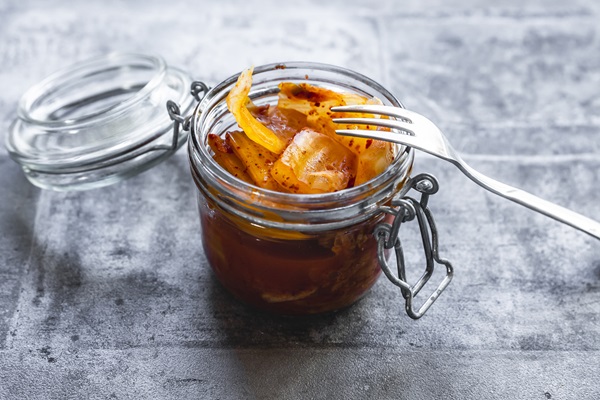
Fermented foods for your gut health
What are fermented foods and why are they good for gut health? Discover how kimchi, yoghurt and other fermented foods can enhance your digestive wellbeing.
References
Better Health Channel (2024) Iron and iron deficiency.
CSIRO Total Wellbeing Diet (2026) How better diet and exercise improves immunity.
Gombart AF, Pierre A, Maggini S. (2020) A Review of Micronutrients and the Immune System-Working in Harmony to Reduce the Risk of Infection, Nutrients, 12(1), p. 236.
Harvard Health Publishing (2026) How to boost your immune system.
healthdirect (2024) Vitamin C and your health.
healthdirect (2025) Immune system.
healthdirect (2025) Zinc and your health.
Malik ZI, Ghafoor MU, Shah SHBU, Abid J, Farooq U, Ahmad AMR. (2025) 'Unlocking iron: nutritional origins, metabolic pathways, and systemic significance'
Munteanu C, Schwartz B. (2022) 'The relationship between nutrition and the immune system', Frontiers in Nutrition, 9, p. 1082500.
Singh DN, Bohra JS, Dubey TP, Shivahre PR, Singh RK, Singh T, Jaiswal DK. (2023) 'Common foods for boosting human immunity: A review', Food Science & Nutrition, 11(11), pp. 6761–6774.
Wang J, Zhao W, Ding J, Li Y. (2025) The effect of physical activity on anti-infection immunity: a review', Health Information Science and Systems, 13, p. 45.
Things you should know
* Must be 16 years or over to register for Medibank Live Better rewards. Some program partners and earning activities require a person to be at least 18 years of age to be eligible to earn and/or redeem a reward. Must be a Medibank member with hospital cover, extras cover, or hospital and extras cover, be up-to-date with premium payments and have signed up to Medibank Live Better rewards in the My Medibank app to earn Live Better points for eligible purchases and redeem rewards. Excludes Overseas Student Health Cover (OSHC), Ambulance only cover, ahm covers and other selected covers. Live Better Management Pty Ltd, ACN 003 457 289 has entered into commercial arrangements with Medibank Live Better program partners and may receive commissions. Additional terms and conditions may apply to points earning activities and rewards. Points earning activities and rewards are subject to change and may be subject to availability. Wherever possible, we will give you notice of these changes. See full Medibank Live Better rewards terms.
^ Medibank Live Better Challenges & Goals Earning Policy: The participant of a Medibank Live Better Challenge or Goal may not receive Live Better points or may have their already credited Live Better points reversed in accordance with the Medibank Live Better terms and conditions. To earn Live Better points, the participant needs to properly complete 100% of the eligible Challenge according to the instructions. The number of Live Better points available for Medibank Live Better Challenges and Goals is subject to change without prior notice. The maximum number of Live Better points that each Medibank Live Better member can earn from successfully completing health and wellbeing Challenges, Goals or any Onboarding action in a calendar year is 40,000 Live Better points. To the extent of any inconsistency between this Policy and the Medibank Live Better terms and conditions, the terms and conditions will take precedence.