-
Accredited Skin Cancer Doctor, Dr Dharrini Balachandran says it’s a misconception that Australians only need sun protection on hot, sunny, summer days as UV radiation can reach damaging levels even when it’s cool and overcast.
“I don't recommend anything less than SPF30 (Sun Protection Factor) for patients, year-round,” she says. “But what I do tell patients is to check the UV index before going out in the sun. If the UV index is more than two or three, you should be putting on sunscreen.”
This guide covers what you need to know about protecting your skin from the sun, how to read the UV Index, and how to check your skin for early signs of sun damage.
What is UV radiation?
Ultraviolet (UV) radiation is a form of energy that comes from the sun but you can’t judge how strong it is by looking at the weather. UV contributes to eye damage, skin damage and skin cancer.
In Australia, only Melbourne and Hobart have average maximum UV levels beneath 3 during winter (from June to August), which is why sun protection matters for all Australians all year round.
Cloud cover does not reliably protect against UV intensity, so checking the UV Index regularly is advised. The free SunSmart Global UV app provides real-time local UV levels.
In Australia, melanoma (the most deadly form of skin cancer) is one of the ten most common cancers diagnosed in both men and women.3
In 2025, more than 17,000 new cases of melanoma were recorded in Australia, accounting for ten per cent of all cancers diagnosed.4 But there is encouraging news, because we know skin cancer is often caused by UV radiation, by protecting ourselves from UV rays, we can help reduce our cancer risk.
UV radiation is measured on an index where 0-2 is ‘Low’ and anything at 11 or higher is classified as ‘Extreme’. When UV is at a level of three or higher, sun protection is recommended by the Cancer Council.
The UV Index has 5 categories:
Low 1-2 Moderate 3-5 High 6-7 Very high 8-10 Extreme 11 and above. There is no upper limit in the UV Index. Sun safety tips
Introduced in the early 1980s by the Cancer Council, the Slip, Slop, Slap campaign has helped Aussies stay safe in the sun.
It has now been expanded to include more safety tips for reducing exposure to UV:
- Slip – Slip on clothing that covers your arms, shoulders and legs.
- Slop – Slop on broad-spectrum SPF50 sunscreen to create a barrier between your skin and UV.
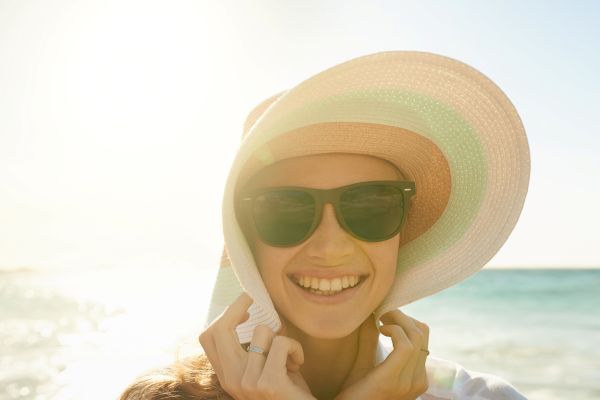
- Slap – Slap on a broad-brimmed hat to protect your face, ears and neck from UV exposure.
- Seek – Seek shade from the sun where possible
- Slide – Slide on sunglasses that can reduce UV exposure to your eyes.
“In Australia and New Zealand, especially in summer, a minimum of SPF30 should be used but SPF50 is best,” says Dr Balachandran. “But it’s not just about putting it on in the morning and thinking you’re protected for the rest of the day.”
“You need to reapply this SPF every two hours if you’re out in the sun. So if you’re gardening, at the beach, water skiing or boating, you need to be reapplying. The efficacy of the SPF reduces with time and if you go in the water and you come out, you need to reapply,” she adds.
“Although most commercial SPF products advertise four hour limits, in essence, most people sweat, wipe their face, or get in the water during that time.”
When do you apply sunscreen and how much do you use?
Sunscreen should be applied to your body 20 minutes before you go outside, even on a cloudy day.
Use enough sunscreen to spread evenly on the skin surface and use around one teaspoon (5ml) on each part of your body that is exposed to the sun.
How to check your skin for signs of skin cancer
If skin cancer is caught early, it’s easier to treat. About 95% of skin cancers can be treated successfully if they are found early.5
Regular self-checks should monitor:
- Any new spot, freckle, or mole that has appeared recently.
- Any existing spot that has changed in size, shape, colour, or texture.
- A sore or spot that bleeds, itches, or does not heal within a few weeks.
- A mole with uneven borders, multiple colours, or a diameter larger than 6mm.
A useful guide for checking your own skin is using the ABCDE method. Look at your moles for any of the following signs.
- Asymmetry: If a line is drawn down the middle, one half of your mole doesn’t match the other.
- Border: The edge of your mole is spreading or ragged.
- Colour: Your mole is made up of a number of different colours, such as black, blue, red, white and/or grey.
- Diameter: Your mole is getting bigger.
- Evolving: Your mole is changing in shape or size.
If you notice any of these or are concerned about your skin, speak to a GP.
READ MORE: Spot the difference: Moles or melanomas?
How to help protect yourself from skin cancer

Access a doctor from anywhere in Australia
Connect with an online doctor, appointments available 24/7.
Eligible members^ can connect with an Online Doctor through Amplar Health Online Doctor and pay no out-of-pocket fees on up to 3 consults provided between 1 July 2026 and 31 December 2026.
Terms and conditions apply.
Frequently asked questions
Why did I get sunburnt if it wasn’t hot?
Ultraviolet radiation is created by the sun and causes sunburn, but high temperatures are not linked to it. There can be a high UV on a cool or cloudy day which is why it’s important to check UV levels and protect your skin with SPF sun screen every day.
Does daily sunscreen use affect vitamin D levels?
An Australian study in 2025 found that people who used SPF 50+ routinely for a year were at higher risk of being vitamin D deficient than those who used sunscreen more casually.4 However, sunscreen is essential for protecting your skin from sun damage and UV, so if you’re concerned, speak with your GP about vitamin D testing or supplements that are right for you.
What are the different types of sunscreen?
Chemical sunscreens on your skin absorb and reflect UV rays, and they’re often lotions or creams you apply and they’re invisible. Physical sunscreens, on the other hand, can be made of minerals like zinc or titanium oxide, and when you put them on they are heavy or thick creams that you can see on the skin.
Where can you get melanoma on your body?
Melanoma can occur anywhere on your body’s skin, but for men it is more common on the neck, chest and back and for women, it’s more common on the arms and legs. The face is a common site for melanoma because of its exposure to UV.
READ MORE: How often should you get your skin checked?
Are sunbeds or solariums safe?
No, a sunbed, tanning bed, or solarium does not provide a safe tan. They use ultraviolet radiation or UV to tan the skin and in some cases, solariums can emit UV levels six times stronger than the midday summer sun. You can get sunburned and damaged skin on a tanning bed. In 2016 commercial tanning bed salons were banned in all Australian states and territories.
Our expert: Dr Dharrini Balachandran
Dr Dharrini Balachandran graduated from the University of Adelaide in 2013 and obtained her Fellowship from the Royal College of General Practitioners in 2019. Dharrini trained and worked in Port Macquarie and Kempsey as a rural GP and Skin Cancer doctor for 4 years before moving to Sydney. Dharrini enjoys all aspects of General Practice but has a keen interest in Skin Cancer Medicine, Paediatrics, Women’s Health and Medical Education. Dharrini is an Accredited Skin Cancer Doctor with the Skin Cancer College Australasia.
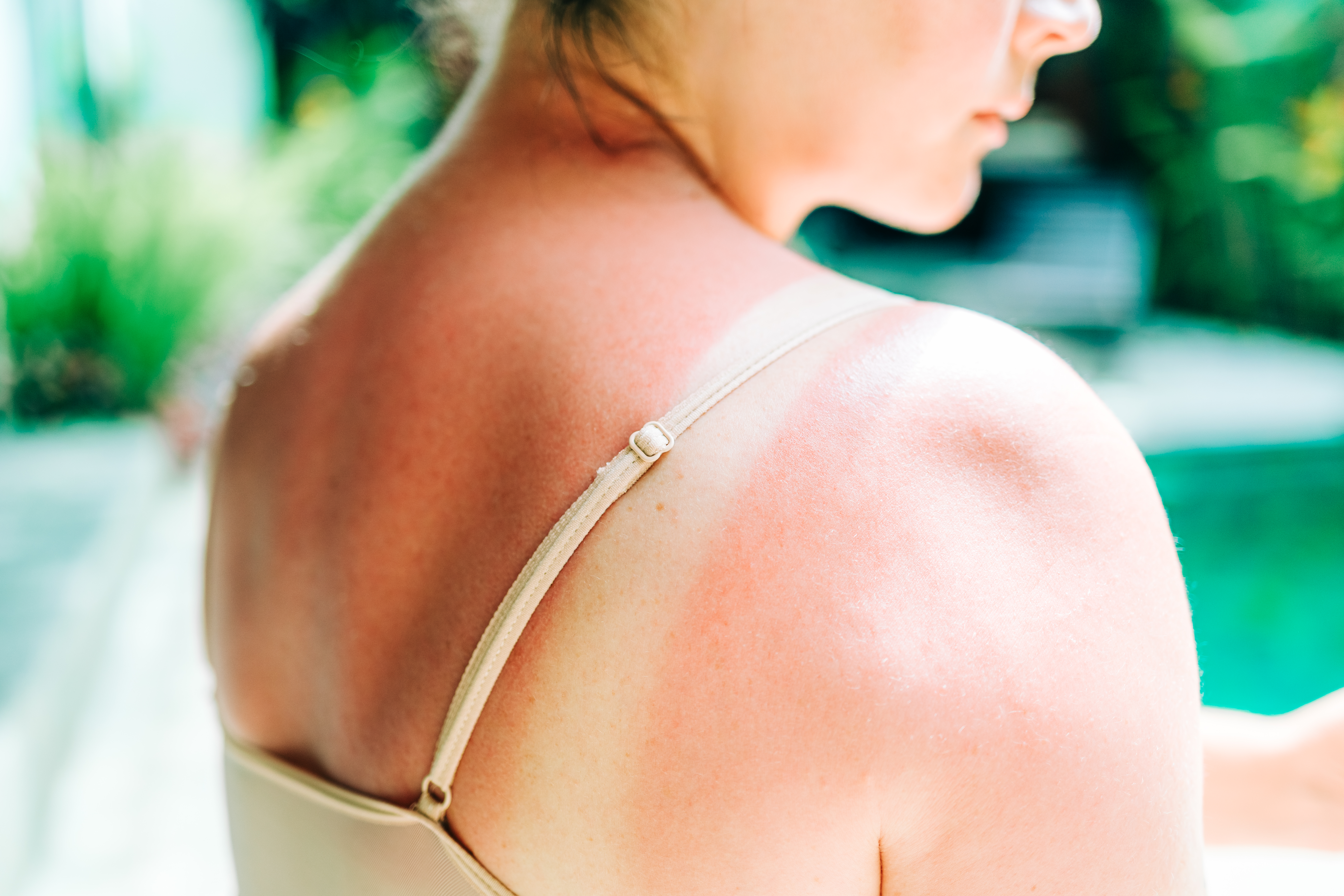
How to treat sunburn
Sunburnt? Find out how to manage sunburn fast, how long it lasts, what to do about sunburned lips, and when to see a doctor.

How to treat blisters – the right way
Learn how to treat blisters on your feet safely at home, spot signs of infection, and help prevent them from coming back.

Healthy foods for healthy skin
Explore the best foods for healthy skin and the key nutrients that may support a clear, glowing complexion.
Things you should know
^Must be a Medibank member with a resident Hospital or a Hospital & Extras policy.
How we reviewed this article
This content was reviewed by a Medibank healthcare professional. Medibank has strict sourcing guidelines and relies on peer-reviewed studies and information from Australian government and health peak bodies.