We all know we should have skin cancer checks, but it’s often one of those jobs that slips down the to-do list. Dr Dharrini Balachandran, an Accredited Skin Cancer Doctor with the Skin Cancer College Australasia, recommends seeing your GP or a skin cancer clinic for a skin check at least once a year. “Once a year is a general rule for anyone who was born in Australia or who has been in Australia for at least 10 years,” she says.
Discover why regular skin checks matter, when to book one and how you can check your own skin in-between.
Skin cancer occurs when your skin’s cells grow abnormally and left unchecked can form tumours which are described as either benign (non-cancerous) or malignant (cancerous).
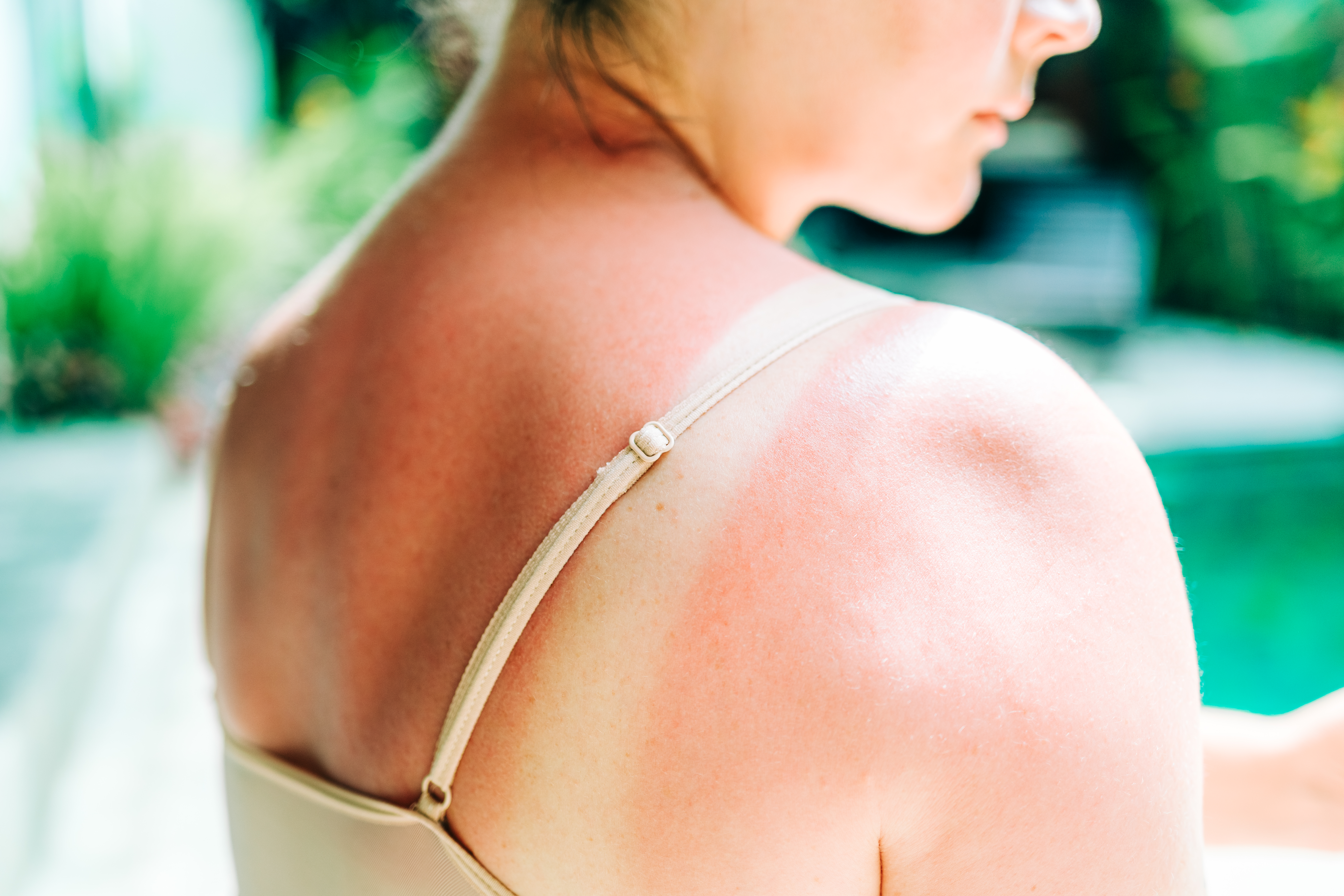
Skin cancer develops when UV radiation damages skin cells, causing them to grow in an uncontrolled way. More than 95% of cases are linked to UV exposure, mainly from the sun but also from artificial sources, like solariums.1
There are three main types of skin cancer:
- Basal cell carcinoma, or BCC which starts in the lower epidermis, grows slowly and rarely spreads.
- Squamous cell carcinoma, or SCC which begins in the upper epidermis and can grow over weeks or months.
- Melanoma which develops from cells called melanocytes, which give your skin its colour. Melanoma spreads quickly.
According to Cancer Council, Australia has one of the highest rates of skin cancer in the world and about two in three people will be diagnosed with skin cancer before the age of 70.2
Taking charge of your skin health is a great step that can support your overall wellbeing and long-term health, and the good news is that many skin cancers can be detected through regular skin checks.10
While most of us know we should get a regular skin check, how often you should do it depends on your individual risk factors. There are many, but some of the most common ones include:
- A fair complexion - including skin that burns or freckles easily, blue or green eyes, and blonde or red hair
- Current or past unprotected UV exposure, including sunbathing and sun beds
- Atypical or numerous moles
- Family or personal history of skin cancer
- Age - older people are more at risk from skin cancer
- Weakened immune system from ill health or medications.
Here, you’ll find out the best way to get a skin check, when, and how to check your own skin between appointments.
READ MORE: How to help protect yourself from skin cancer
Why skin checks matter in Australia
Although there are different forms of skin cancer, melanoma is the most common cancer in those aged 20-39.3 Cancer Australia4 says in 2025, it was the third most commonly diagnosed cancer across the country.
Early detection, through regular skin checks is important but so is taking care of your skin on a daily basis, with regular use of high-factor sunscreen.
“I recommend Australians apply sunscreen all throughout the year," says Dr Balachandran. “But you also need to remember to regularly apply it too.”
How often should you get your skin checked for cancer?
There is currently no universal national screening program in Australia for skin cancer. The frequency that you should have a skin check should be led by your GP or health professional based on your individual needs, says Dr Balachandran.
“As a general rule, I recommend at least a yearly check for anyone who has been born in Australia or who has been in Australia for at least 10 years,” she explains.
“If you've had a melanoma, then from the first year from a diagnosis, you should have a skin check every three months,” she adds.
If you’ve had a melanoma or have any other skin cancer risk factors, it’s worth speaking to your GP about how often you should be checked. Healthdirect advises that people who are over 40, with a high risk of skin cancer should have a complete skin check every six to 12 months.5

Access a doctor from anywhere in Australia
Connect with an online doctor, appointments available 24/7.
Eligible members^ can connect with an Online Doctor through Amplar Health Online Doctor and pay no out-of-pocket fees on up to 3 consults provided between 1 July 2026 and 31 December 2026.
Terms and conditions apply.
READ MORE: The health checks to keep in mind at different stages in your life
Who can do your skin check?
When it comes to a professional skin check, see your GP, book an appointment at a skin cancer clinic or visit a dermatologist, says Dr Balachandran.
“GPs tend to see their patients a lot more and notice when something is unusual or different,” she says. “They can then refer their patient to a specialist [such as a dermatologist] if needed.”
Your GP
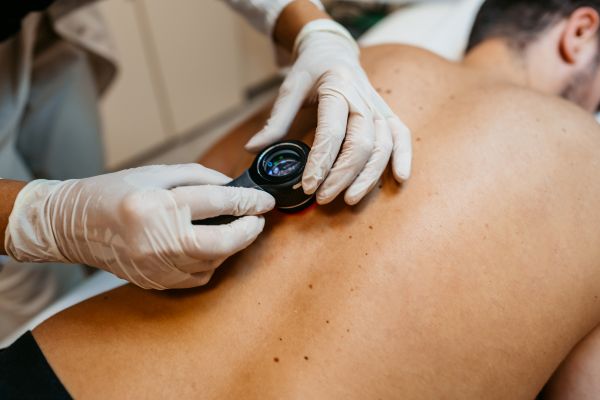
GPs can perform full-body checks using a handheld magnifying device (called a dermatoscope). They can also conduct a biopsy or refer patients to a specialist for further investigation. If you hold a valid Medicare card, part or all of your visit for your skin cancer check may be covered. If you are referred to a specialist as such as dermatologist, ask about any fees you may be asked to pay before your appointment.
A skin cancer clinic
A skin cancer clinic offers skin cancer-related checks and diagnosis. A referral isn’t usually required for an appointment. Medicare rebates may apply for eligible services.
A dermatologist
A dermatologist is a doctor who has completed specialised training in diagnosing and treating skin disease, including skin cancer. They are often recommended for complex or high-risk cases, and a GP referral is generally required for Medicare rebate.
Are skin checks covered by Medicare?
If you see your GP for a skin check and they bulk bill, then Medicare may cover the cost of your visit. If your GP doesn’t bulk bill, then you may receive a partial rebate. To claim a Medicare rebate for a dermatologist, you will need a referral from your GP.
Procedures, such as biopsies, and surgical removal of skin cancers may be eligible for a Medicare rebate as well. Cosmetic procedures, like non-cancerous mole or lesion removal, are generally not covered.
How to check your own skin at home
“Regardless of risk factors, I advise all my patients to do a self-check every three months to monitor changes in their skin,” advises Dr Balachandran.
“Have a good look at your skin where you can see and get someone else to look too. [Look] behind the ears, neck, legs and your buttocks. Any areas that you can't see, make sure you get someone else to have a look and make sure [moles aren’t] changing, getting bigger, darker, bleeding, itching, or scabbing.”
If you notice any changes see your GP or a dermatologist.
If you’re checking your skin at home, the Melanoma Institute Australia6 recommends:
- Standing in front of a full length mirror in a well-lit room
- Start by using a brush or hairdryer to part your hair to check your scalp
- Move to your face and neck, including your ears, nostrils and lips
- Then check both the top and back of your arms, chest, abdomen and legs
- Check your hands and feet; don’t forget your fingernails
A useful guide for your self-check is the ‘ABCDE method’, which has been shown to be an effective tool for detecting skin cancer early. If you notice any of the following symptoms in your moles, arrange a visit with your doctor.
- Asymmetry: If a line is drawn down the middle, one half of your spot doesn’t match the other
- Border: The edge of your spot is spreading or ragged
- Colour: Your spot is made up of a number of different colours, such as black, blue, red, white and/or grey
- Diameter: Your spot is getting bigger
- Evolving: Your spot is changing and growing
Most moles and lesions on your body will have a similar appearance, but if you notice one that seems to stand out, it’s best to get checked out by a health professional.
READ MORE: Spot the difference: Moles or melanomas?