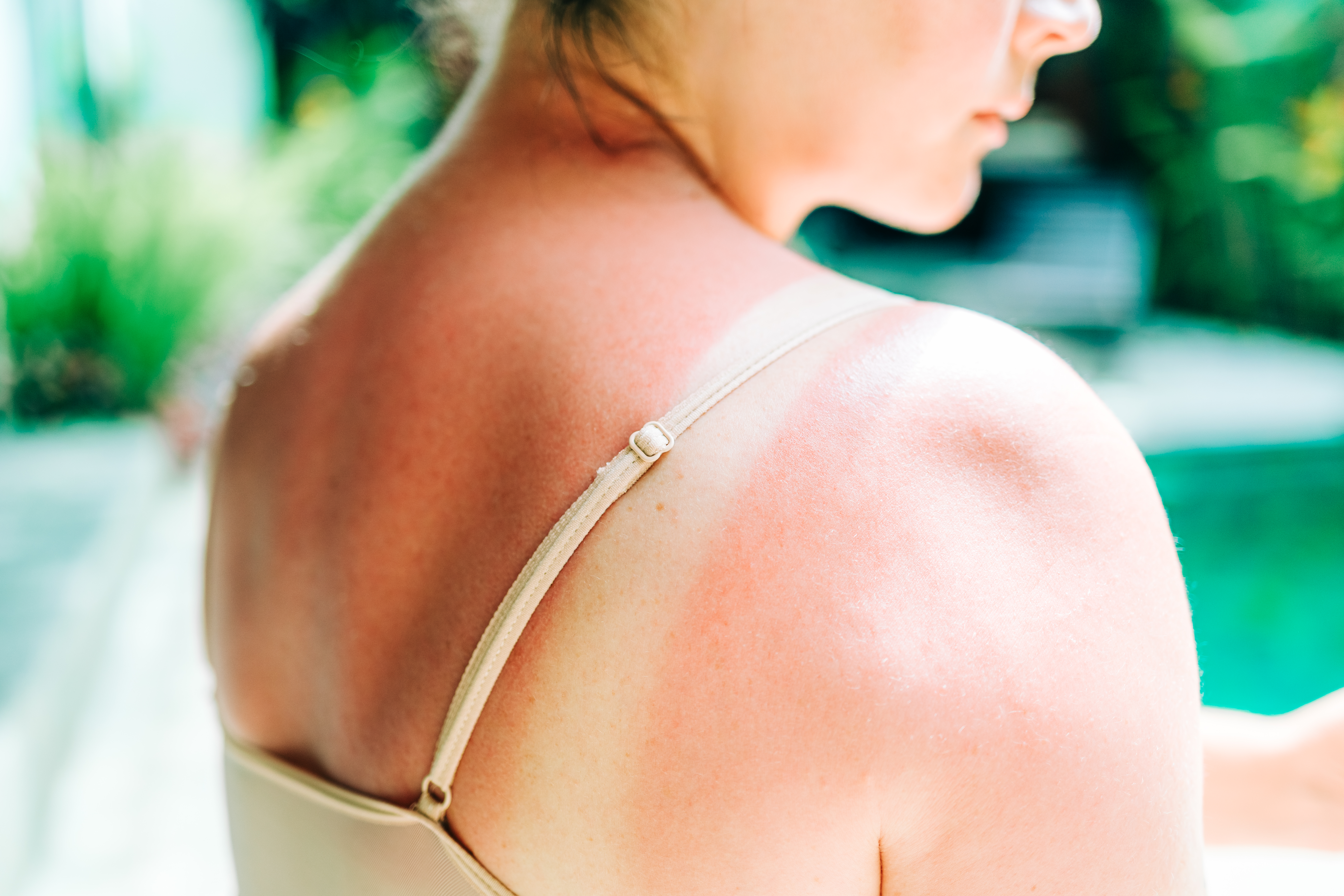
Sunburn is your skin’s reaction to too much of the sun’s UV radiation. It’s essentially your poor skin showing clear signs of damage by turning pink or red, feeling warm, painful, swollen, itchy or blistered. The good news is there are simple things you can do to help soothe that sunburn and support healing. Cooling the skin, staying well hydrated and protecting the area from any further sun exposure can all help ease discomfort and give your skin a chance to recover.
“If it's a mild burn and you don't feel it too much, your body will just feel hot and apart from running it under cold water, you don't need to do too much about it,” says Dr Dharrini Balachandran, an Accredited Skin Cancer Doctor with the Skin Cancer College Australasia. “But if blisters form, you have to look after them like a wound.”
Repeated sunburn can have a lasting effect on your skin, including early ageing, wrinkles and a higher risk of skin cancer, including melanoma.
This guide is your go-to for understanding how to treat sunburn at every stage, how long it usually lasts, and crucially, when it might be time to seek medical attention.
What is the best treatment for sunburn?
Act immediately
If you’re feeling the effects of sunburn, or you're concerned about getting burnt, the most important first step is to get out of that sun.
Sunburn doesn’t always appear on the skin immediately, it can take a few hours, but it will usually reach its red peak between 12 and 24 hours later.
Cool the skin
Place a cold, damp towel on your skin as this will help take some heat out of the skin or have a cool shower or bath. “Run the area that's been burned under cool water for at least 20 minutes,” says Dr Balachandran. "And then keep the area dry and clean.”
Blistered skin
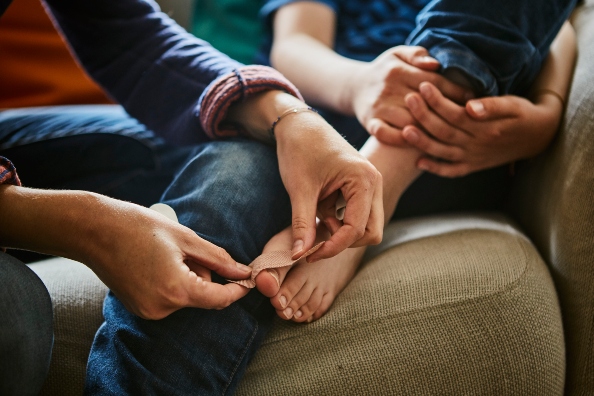
If there are only smaller blisters, then Dr Balachandran says you should treat them. “If the skin forms a blister, then look after it like a wound,” she adds. “So actually put a dressing on.”
If a large area of the skin starts to blister, then it’s time to see your GP.
Moisturise
Moisturiser will help soothe the skin and while it won’t prevent peeling, it can improve the moisture content of the skin underneath.
Use a light moisturiser or aloe vera cream on the burn. “Don't put Vaseline (petroleum jelly) or Sorbolene onto the area,” says Dr Balachandran as these creams can trap the heat. Spray-on solutions can be a good idea so you don’t have to rub in creams and irritate sore skin.
Pain relief
Over-the-counter pain relief can be used to help reduce pain and swelling caused by sunburn. Always follow the dosage instructions on the packet.
Hydrate
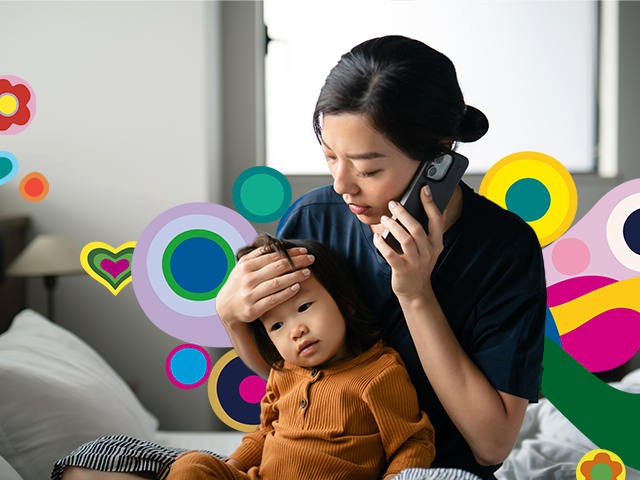
For the next few days, drink extra water to stay hydrated and watch for signs of dehydration: dry mouth, thirst, headache, reduced and darker urination and dizziness. Children are especially vulnerable, so seek medical advice if they appear unwell.
Let your skin repair itself
As tempting as it can be, avoid picking or peeling away your skin or lips or popping any blisters. The roof or skin of the blisters is protecting the underlying damaged skin, says Dr Balachandran.
“When you break the skin, there's a risk of infection,” she says, but it can also be harmful to expose the layer underneath.
“When you burn the skin, it's like if you touch a hot fire,” she says. “Your skin forms a blister as the layer of skin is inflamed, so it peels off that layer.”
“But as you peel off that layer, the second layer which is the dermis is affected and it has blood vessels, sweat glands, hair follicles and nerve endings which are responsible for temperature regulation or thermal regulation. Patients with severe burns can lose their hydration in the body.”
What not to apply
Avoid petroleum jelly, oil-based ointments or butter as these trap heat in the skin.
READ MORE: Spot the difference: Moles or melanomas?
When to seek medical advice
You should see your GP if your sunburn is severe or you are otherwise concerned. This may include:
- large areas of blistering
- signs of infection, like a fever
- severe pain
- signs of dehydration like dizziness or tiredness.
If you’ve had severe sunburn in the past, visit your GP if you notice any changes to your skin like new moles or freckles, dark spots, any unusual growths on your skin and scaly patches.
Call triple zero (000) and ask for an ambulance if you or your child show signs of heatstroke, such as:
- confusion
- seizures
- coma.
How long does sunburn last?
How long your sunburn lasts depends on your skin type and how severe your sunburn is.
How quickly you get sunburnt depends on your skin type, the time of day and year, and your surroundings, with fair skin burning faster and reflective surfaces such as cement, sand, water and snow increasing UV exposure.
Mild sunburn will usually settle over a few days, while more severe sunburn can cause pain, swelling and blistering and may take around seven to 10 days.
Why does skin peel after sunburn?
The skin cells in your top layer of skin, the epidermis, are burned and that heat damage causes the cells to die. That cell death means the outer layer of the skin starts to peel, and while a new epidermal layer forms underneath, there can still be DNA damage from the UV exposure.
Does sunburn increase your risk of skin cancer?
Repeated sunburn can cause lasting damage to your skin, including aging and a higher risk of skin cancer, including melanoma.
UV exposure can damage the DNA cells and if they are not repaired, abnormal cells may develop.
READ MORE: How often should you get your skin checked for cancer?
How to avoid getting sunburned
Check the UV Index every day from trusted Australian sites like the SunSmart app and protect yourself from the sun.
“I tell patients to check the UV index before going out in the sun,” says Dr Balachandran. “If the UV index is more than two or three, you should wear sunscreen. In Australia, especially in summer, you need a minimum of SPF30 but SPF50 is best.”
You can also follow the Cancer Council’s guide to staying sun safe.
- Slip – Slip on clothing that covers your arms, shoulders and legs.
- Slop – Slop on broad-spectrum SPF50 sunscreen to create a barrier between your skin and UV.
- Slap – Slap on a broad-brimmed hat to protect your face, ears and neck from UV exposure.
- Seek – Seek shade from the sun where possible
- Slide – Slide on sunglasses that can reduce UV exposure to your eyes.