-
Your skin is your body’s largest organ and it’s a complex, three‑layered barrier that protects you from infection, regulates temperature and helps you sense the world around you. What you eat plays a powerful role in how well your skin functions and influences how strong and healthy it looks, feels and works. A healthy diet can support skin repair, hydration and barrier function. A variety of tasty foods like salmon, berries, nuts and eggs can all play a part in maintaining that skin.
Different factors influence the health and appearance of our skin, including ageing, sun exposure, stress and sleep, but choosing to eat well is one way we can actively support our skin and its functions.
Here, Lauren Atkins, Advanced Accredited Practising Dietitian (Adv APD) shares some of the best foods to nourish your skin from the inside out.
READ MORE: Functions of your skin explained
How does diet affect skin health?
“Think of it this way,” says Atkins. “Your skin is like a sandstone wall constantly weathering in the elements. Your diet does not paint the wall; it determines the quality of the stone, the mortar holding it together, and the team of workers making repairs. Without the right building materials arriving daily, even the best wall starts to crumble from within.”
So, when we think about how our diet affects our skin, it’s not just about knowing which foods are good for you, it’s about eating them regularly as part of your diet.
READ MORE: Foods to help boost the immune system
What nutrients are important for healthy skin?
Vitamin C
Also known as ascorbic acid, this plays a key role in keeping your skin healthy. “Collagen fibres are like the steel cables of a suspension bridge,” says Atkins. “They need to be correctly twisted and cross-linked to hold their shape. Vitamin C ensures correct assembly.” Foods that are high in vitamin C include citrus fruits such as oranges, grapefruit and lemons, kiwi fruit, tomatoes, strawberries, blackcurrants, guava, broccoli, capsicum (peppers), brussels sprouts, cabbage, cauliflower and potatoes.
Omega-3 fatty acids
“These are your anti-inflammatory firefighters,” says Atkins. “If inflammation were a fire alarm in the skin, omega-3s are the sprinkler system, reducing the intensity of flare-ups and giving the skin a chance to recover.” Foods rich in omega-3 include salmon, mackerel, trout, sardines, flaxseeds, chia seeds, walnuts and canola oil.
Protein
Essential for building and repairing body tissues, including your skin, protein helps your body grow and repair cells. “If skin were a construction site, protein provides the bricks, mortar, and the workers themselves,” says Atkins. “You can have the best architects (vitamins), but without raw materials, nothing gets built.” Foods high in protein include edamame, tofu and tempeh, lentils, chickpeas, split peas, boneless and skinless chicken breast, salmon, lean beef, canned tuna, Greek yoghurt, eggs, cottage cheese, pumpkin seeds, chia seeds and soy milk.
READ MORE: 5 healthy proteins for a balanced diet
Antioxidants
“Found in colourful plant foods, antioxidants neutralise the reactive oxygen species generated by UV exposure and pollution,” explains Atkins. Foods high in antioxidants include citrus fruits, cereals, meat, eggs, fruit (especially highly coloured ones), green tea, cocoa, seafood and green vegetables.
Foods that support healthy skin and hair
“Rather than a fixed 'superfood' list, I recommend thinking in terms of categories,” says Atkins.
- Fatty fish: “Salmon, sardines and mackerel are some of the richest dietary sources of EPA/DHA omega-3s for anti-inflammatory support,” says Atkins.
- Walnuts and pumpkin seeds: “These are brilliant sources of omega-3 and zinc,” shares Atkins.
- Berries: Dark-coloured berries, including cherries, blackcurrants, blueberries, blackberries and pomegranates, are high in polyphenols, which act as antioxidants that help protect skin cells from free radicals. Free radicals are unstable molecules that can damage cells. Antioxidants help protect the body from this damage.
- Eggs: Eggs – and more, specifically, egg yolks, are a good food source of biotin, which helps your body make fatty acids – important building blocks for healthy skin.
Can hydration affect your skin?
“Hydration is important for healthy skin,” says Atkins. “If we’re mildly dehydrated, signs of this might include reduced skin turgor (how elastic and firm the skin is), a flushed skin tone, and slower tissue repair.”
But how much water should you drink? “A general guide is 35-45ml per kg of body weight per day,” says Atkins. “We count all fluids towards this, except for diuretics (e.g. coffee, heavily caffeinated drinks).”
According to Australian Government guidelines, it’s recommended for a 70 kg adult to drink 2,500-3,000 mL/day.1
“Water-rich foods absolutely count,” says Atkins. “Cucumber, celery, watermelon and warming broths all contribute to hydration.”
How to incorporate a skin-friendly diet
The key takeaway? Eat lots of healthy foods for healthy skin – and do it consistently. “Your skin is not just a cosmetic surface; it’s a living, working organ that protects you every single day against the sun, bacteria, and the accumulated wear of a whole life. It deserves to be fed well,” advises Atkins.
The good news is that a balanced diet, centred on a variety of whole foods and low in processed foods, is the recommended approach. “The diet that best supports your skin is not a restrictive or expensive ‘skin diet’,” says Atkins. “The best diet for healthy skin is the same kind of abundant, consistent whole food pattern that also supports your heart, your brain and your energy.”
Healthy foods for healthy skin


Let’s team up to help manage your health condition.
Need support to help manage a health condition, or guidance about going to hospital? Explore our range of programs and services for eligible members. Clinical and product eligibility applies.
Frequently asked questions
Can some foods cause acne?
Although there has been some research2, there isn’t much evidence to support that food can cause or prevent acne. A well-balanced diet is encouraged for all skin health.
Can certain nutrients really improve skin health?
Yes, certain nutrients can improve our overall skin health. Vitamin C, found in many fruits, for example, supports collagen production and wound healing, while vitamin E, found in seeds and fruits, can promote healthy skin by reducing inflammation.
How do I get healthy skin?
A healthy balanced diet is important for healthy skin but according to the Cancer Council Australia, exposure to UV radiation accounts for 80 per cent of visible premature ageing3. Recommendations include using sun protection when the UV levels reach three or above, using an SPF50+ broad spectrum, water-resistant sunscreen and regularly checking your skin for new spots or moles.
What does a dermatologist do?
Dermatologists are doctors who specialise mainly in diagnosing and treating conditions affecting the skin, hair and nails. They complete six years of general medical training, followed by another four years of specialist training with the Australasian College of Dermatologists. They treat a range of conditions, including skin cancer, psoriasis, eczema, acne, infections and vitiligo.
Our expert: Lauren Atkins, Accredited Practising Dietitian
Lauren is an Accredited Practising Dietitian with a particular interest in oncology and haematology. She graduated with a Bachelor of Nutrition and Dietetics at Monash University with the student prize for Highest Academic Achievement and DAA prize for Excellence in Professional Practice. Lauren went on to complete a Graduate Certificate in Paediatric Nutrition and Dietetics. She has experience in both adult and paediatric nutrition and dietetics, having spent her career working at Peter MacCallum Cancer Centre, Epworth Health and The Royal Children’s Hospitals in Melbourne. She has vast experience in managing nutrition-related difficulties in oncology from diagnosis through to survivorship. She has a particular interest in education of individuals and clinicians to improve nutrition and was a lead clinician in the development of the Malnutrition in Cancer eLearning Program for multidisciplinary health professionals.

What are the functions of skin?
Discover the main functions of the skin, how skin layers work and how the skin microbiome supports health.
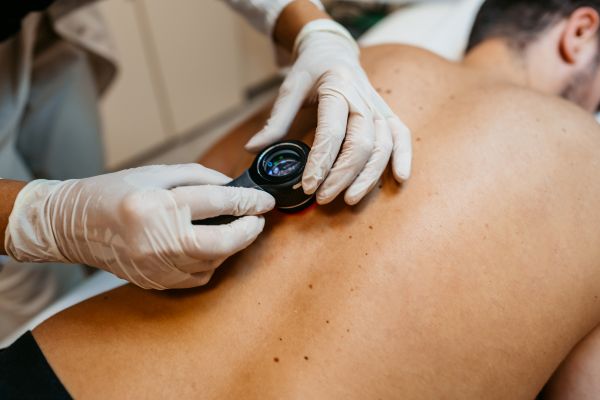
How often should you get your skin checked for cancer?
How often should you get your skin checked? Our expert guide covers frequency, Medicare benefits, private health cover and self-checks.
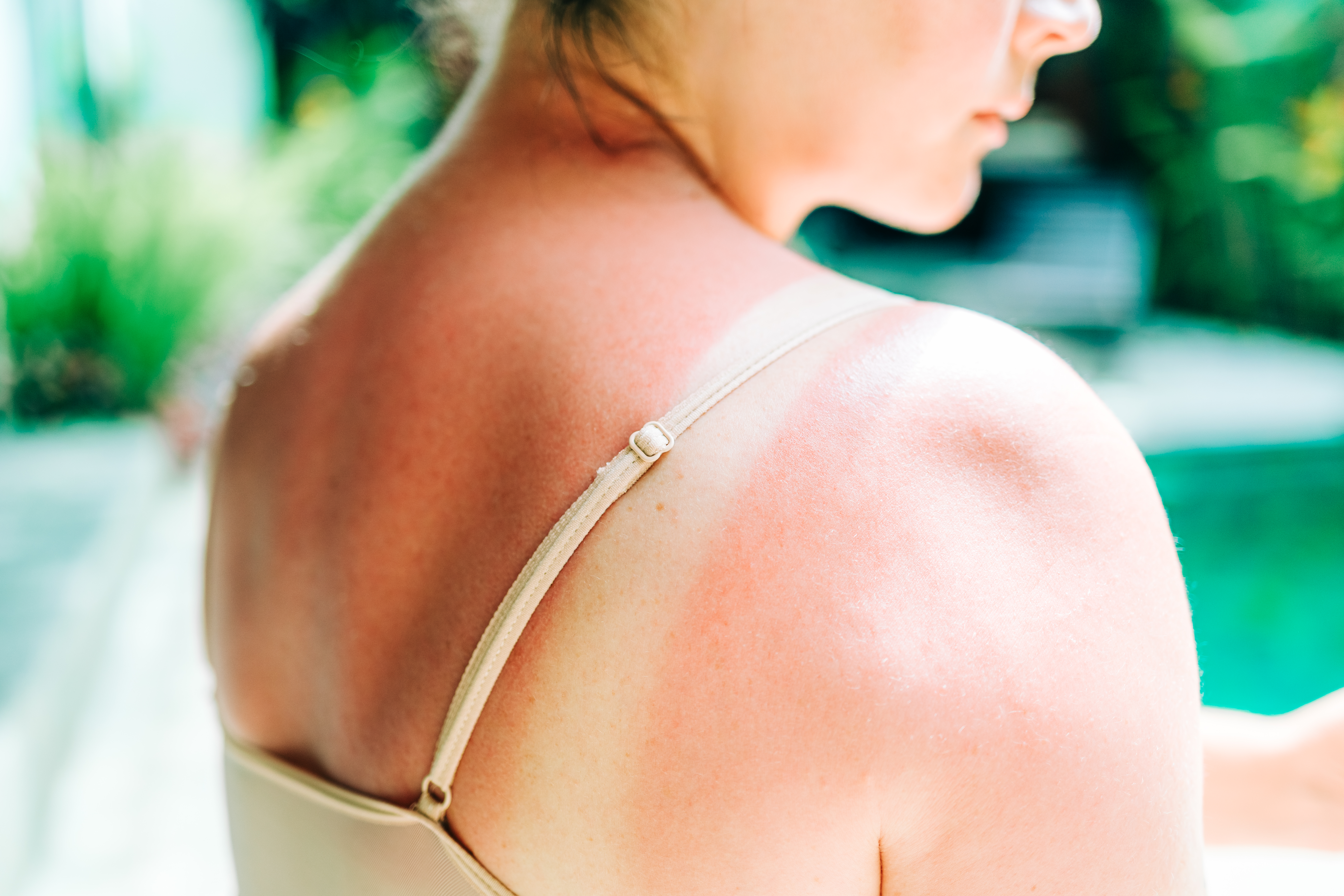
How to treat sunburn
Sunburnt? Find out how to manage sunburn fast, how long it lasts, what to do about sunburned lips, and when to see a doctor.
How we reviewed this article
This content was reviewed by a Medibank healthcare professional. Medibank has strict sourcing guidelines and relies on peer-reviewed studies and information from Australian government and health peak bodies.