-
Your skin is extraordinary. It’s your largest organ and it has a number of important roles. It acts as your body’s protective barrier against germs, injury and infection, while helping to regulate body temperature, prevent fluid loss and support your immune defence.
It also contains nerve endings so you can sense touch, pressure, heat, cold and pain and respond to the world around you.
Your skin is also home to a microbiome. The skin microbiome is the ecosystem of tiny organisms that live on your skin, including bacteria, fungi, viruses and mites. Many of these microbes are helpful as they support the skin barrier, help protect against harmful germs and play a role in immune defence.
What are the main functions of the skin?
Skin isn't just a covering for our bones and organs, it performs several important functions that support the body. This includes:
- helping you feel heat, cold, touch, pressure and pain
- preventing excessive water loss and dehydration
- helping regulate body temperature through sweating and blood flow
- protecting the body from bacteria, viruses, injury, chemicals and UV exposure.
According to Dr Dharrini Balachandran, an accredited skin cancer doctor with the Skin Cancer College Australasia, “the skin is an essential part of the body’s first line of protection when it comes to our immune defence.”
Is skin an organ?
Your skin is your body’s largest (and heaviest) organ, and it’s a collection of different tissues and cells that is made up of three separate layers.
What are the layers of skin?
The three layers of skin are called the epidermis, the dermis and the hypodermis or subcutis. Each layer has different components and roles, explains Dr Balachandran.
Epidermis
The epidermis is the outer layer you can see. It protects the body and produces new skin cells and melanin.
“The outer layer is the one that essentially is a barrier and protects against bacteria and environmental toxins from entering our body,” says Dr Balachandran. The epidermis is waterproof. It's got strength and it has melanin. Melanin is the component or pigment that protects against UV radiation.”
“It is essentially a barrier and protects against bacteria and environmental toxins from entering our body.”
Dermis
The dermis is the second layer of skin and it is much thicker than the epidermis. “It has blood vessels, sweat glands, hair follicles and nerve endings,” says Dr Balachandran. “That's the layer that is also responsible for temperature regulation or thermal regulation. So sweating and adjusting blood flow. It’s also where we get our sensation of pain, pressure, temperature."
Subcutis or hypodermis
The subcutis or hypodermis is the last layer. “This third layer is the subcutaneous layer,” says Dr Balachandran. “That's where you find the fat and connective tissue. So it’s an energy store and creates insulation for our body [with fat], and it cushions internal organs.”
What is the skin microbiome?
The skin microbiome is a community of microorganisms that live on the surface of the skin. They help keep the skin barrier strong, support the balance of oils on the skin, fight off harmful germs and train the immune system to respond properly.
How can you support healthy skin function?
Given the essential job that our skin does for our body, looking after our skin comes down to everyday healthy habits.
Protecting your skin from the sun is one of the most important, as sun exposure can contribute to wrinkles, age spots, other skin problems and a higher risk of skin cancer.
Cleansing gently, moisturising dry skin, not smoking and eating a healthy diet can also help support your skin.
Other habits, including managing stress, getting enough sleep, exercising regularly, drinking alcohol in moderation and not picking pimples, can also help maintain healthy skin.
Dr Balachandran also recommends seeing your GP or a skin cancer clinic for a skin check at least once a year. “Once a year is general rule for anyone who was born in Australia or who has been in Australia for at least ten years,” she says.
READ MORE: How often should you get your skin checked?
What are the functions of skin?

Frequently asked questions
Why is skin important to the body?
The skin is our largest organ and it serves as the first line of defence against infection. Its physical, chemical and microbiological barriers help protect the body from outside threats, while immune cells in the skin defend against infection and keep our tissue healthy.
When the skin is damaged, these immune cells also play an important role in healing and repair.
Why does my body sweat?
Your body releases sweat through sweat glands in the dermis layer of your skin. There are sweat glands all over your body, but most are on your forehead, armpits, palms and soles of the feet. While your sweat is mainly water, it also contains some salts. As the sweat evaporates on your skin, it cools its surface, helping to regulate how hot you feel.
Are our nails and hair considered part of our skin?
Yes, they’re part of the broader system of your skin. Hair is made from keratin, and nails are made from skin cells, but the only active parts are in the nail bed, meaning most of your nail is made from dead cells.
What causes acne?
Acne is caused by a build-up of oil and skin cells which forms a nodule, or what we tend to call a spot or pimple. Bacteria can then grow, causing the pimple to be red or inflamed.
Hormone levels can affect acne and androgen hormones make your skin produce more oil - that’s why people going through puberty often get acne due to changing hormone levels. Other triggers of acne can include stress and a family history of the condition.
How does eczema affect your skin?
Eczema is a common skin condition that affects both children and adults. You might also know it as atopic eczema, atopic dermatitis or allergic eczema.
When you have eczema, your skin has trouble holding onto moisture, so it can be dry, sensitive and easily irritated. This makes it more vulnerable to irritants and allergens, which can trigger itching. Scratching your skin might bring short-term relief but it can also irritate the skin making it worse.
Our expert: Dr Dharrini Balachandran
Dr Dharrini Balachandran graduated from the University of Adelaide in 2013 and obtained her Fellowship from the Royal College of General Practitioners in 2019. Dharrini trained and worked in Port Macquarie and Kempsey as a rural GP and Skin Cancer doctor for 4 years before moving to Sydney. Dharrini enjoys all aspects of General Practice but has a keen interest in Skin Cancer Medicine, Paediatrics, Women’s Health and Medical Education. Dharrini is an Accredited Skin Cancer Doctor with the Skin Cancer College Australasia.

5 natural tips for better skin
The holistic guide to clearer skin.

Spot the difference: Moles or melanomas?
Learn how to do your own skin checks at home using the ABCDE method. Read our visual guide to checking your moles for symptoms of skin cancer.
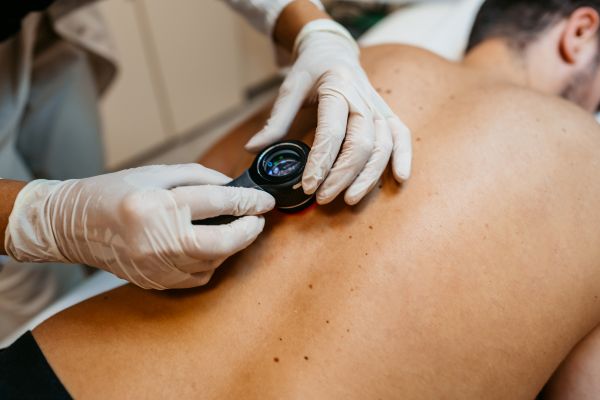
How often should you get your skin checked for cancer?
How often should you get your skin checked? Our expert guide covers frequency, Medicare benefits, private health cover and self-checks.
How we reviewed this article
This content was reviewed by a Medibank healthcare professional. Medibank has strict sourcing guidelines and relies on peer-reviewed studies and information from Australian government and health peak bodies.