What we covered in our chat
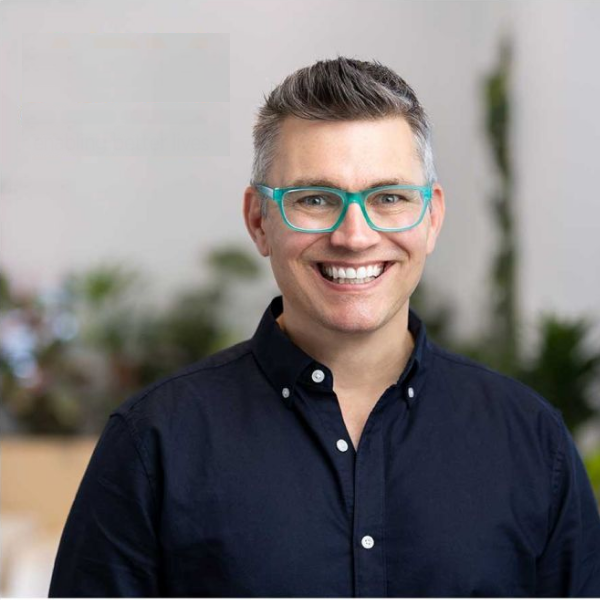
In this episode, I spoke with Aron Mercer about connection at work, with a particular focus on neurodiversity and why “belonging” doesn’t look the same for everyone. Aron challenged a common assumption that connection is universal and that people will naturally engage, speak up or bond in the same ways. For many neurodivergent employees, traditional expressions of connection like group discussion, social events or spontaneous conversations can actually increase stress rather than reduce it.
How work structures can exclude without intent
A key theme in our conversation was that many workplaces unintentionally disadvantage neurodivergent people through how interaction is structured. Meetings that reward fast verbal processing, dominant voices or unstructured discussion can exclude those who process information differently. Aron explained that when leaders don’t actively manage interaction patterns, teams default to familiar voices, and others — often neurodivergent employees — withdraw or self‑silence. Over time, this leads to isolation, disengagement and increased psychosocial risk.
The role of leadership in designing inclusive connection
From a leadership perspective, Aron emphasised that connection isn’t about personality or forcing participation — it’s about design. Simple shifts such as clear meeting agendas, structured turn‑taking, written input options and regular one‑on‑one check‑ins allow more people to contribute safely. Aron also spoke about the importance of psychological safety for disclosure, noting that many neurodivergent employees mask at work to avoid stigma, which comes at a significant wellbeing cost.

Medibank Workplace Wellbeing
Work with us to identify your workplace needs and create a 12-month health & wellbeing plan designed specifically for your organisation. We'll help you measure and track the health of your people to show the positive impact of your program.
Final thoughts
Chronic pain can be an isolating, frustrating experience -but with companies like MoreGoodDays, people don’t have to navigate it alone. The blend of evidence-based care, technology, and empathy is exactly what this space needs. Massive thanks to Neala for coming on and sharing her story and expertise.
Written by Tom Bosna
April 2025