What we covered in our chat
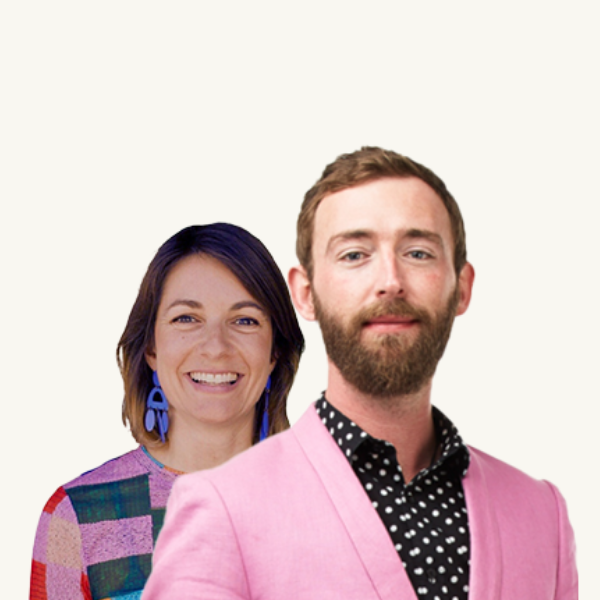
In this episode of the Well Workplaces podcast, I sat down with Dara Simkin and Tāne Hunter, co-authors of Full Stack Human, to explore a question many workplaces are grappling with right now: how do we stay human in a world that keeps accelerating? Throughout our conversation, we unpacked the impact of technology, achievement culture, play, creativity and why the future of work may depend less on productivity hacks and more on reconnecting with what makes us human.
Why work feels harder than it should
One of the most compelling ideas Dara shared was that people are not necessarily broken, but many of the systems we work within are. She challenged the longstanding belief that work must be serious to be valuable and argued that many workplaces still operate with outdated ideas that prioritise constant output over sustainable performance.
We discussed how wellbeing initiatives often focus on helping individuals cope rather than addressing systemic challenges such as workload, expectations and workplace design. For HR, wellbeing and safety leaders, this is an important reminder that meaningful change requires looking beyond individual resilience and examining the broader environment people are working in.
Stone Age brains in a digital world
Tāne described modern work as asking us to operate with “Stone Age brains in a god-tech world.” Our brains evolved to deal with immediate threats, yet today they are bombarded by emails, notifications, meetings, news cycles and digital distractions.
The result is that many people spend much of their day in a heightened state of alertness, reducing their ability to think creatively, make sound decisions and connect effectively with others. This has major implications for workplace health, performance and psychological safety.

Medibank Workplace Wellbeing
Work with us to identify your workplace needs and create a 12-month health & wellbeing plan designed specifically for your organisation. We'll help you measure and track the health of your people to show the positive impact of your program.
Why play matters more than ever
A key takeaway from our conversation was that play should not be viewed as a reward for hard work. Dara argued that play is actually an essential ingredient for sustainable performance, creativity and wellbeing.
Importantly, play doesn’t need to mean team-building activities or expensive offsites. It can be as simple as introducing curiosity into meetings, creating opportunities for experimentation, or encouraging teams to approach challenges with a more open and exploratory mindset.
For leaders, Dara outlined three conditions that support play at work: permission, space and a spark. When these elements are present, teams are more likely to collaborate, innovate and adapt effectively.
Building healthier workplaces through curiosity
Another practical insight was the power of the improvisation principle of“yes, and” rather than “yes, but”. By building on ideas instead of immediately dismissing them, leaders create greater psychological safety and encourage participation and creativity within teams.
In a workplace environment increasingly focused on innovation, adaptability and problem-solving, this simple shift can have a significant impact on team culture.
Final thoughts
My biggest takeaway from this conversation was that the future of work is unlikely to be won by organisations that simply adopt more technology. Instead, it will belong to those that cultivate the uniquely human qualities AI cannot replicate — curiosity, imagination, creativity, connection and play. As Dara and Tāne reminded us, technology may continue to evolve at an incredible pace, but our ability to stay human will ultimately determine how well we work, lead and thrive.
Written by Tom Bosna
June 2026