What we covered in our chat
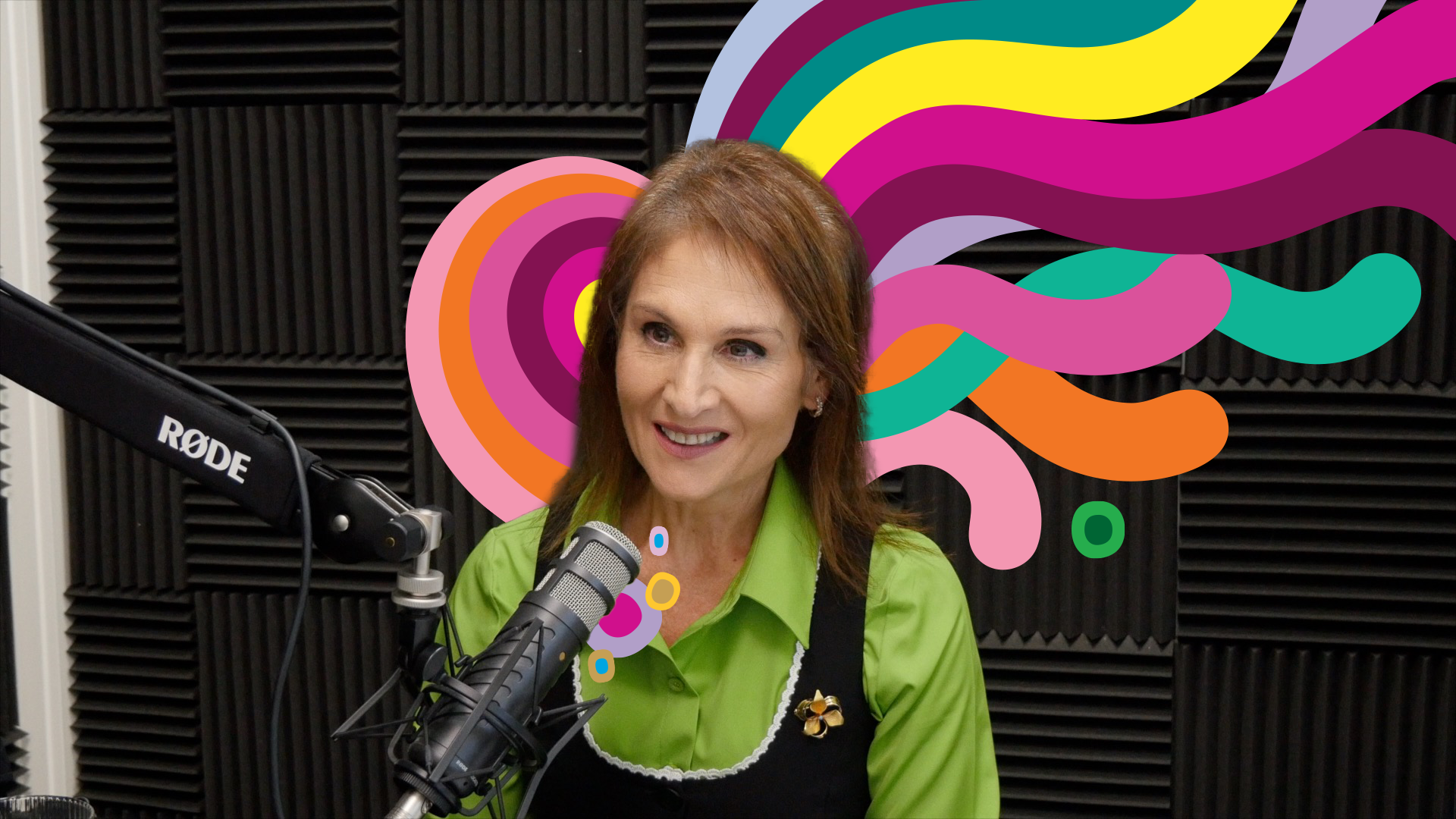
In this episode of the Well Workplaces Podcast, I sat down with Maria Ruberto, founder of Salutegenics, resilience and neuroscience consultant, and one of Australia’s leading voices on the connection between brain science, behaviour and wellbeing. Together, we explored a topic that sits beneath almost every workplace challenge and opportunity: relationships.
While we spend a lot of time talking about leadership, culture, wellbeing and performance, we don’t always spend enough time talking about the quality of the relationships that underpin them. Maria introduced the concept of relational intelligence and why it may be one of the most important capabilities leaders and teams can develop.
What is relational intelligence?
Maria describes relational intelligence as what happens in the space between people. It goes beyond emotional intelligence and focuses on our ability to build trust, create psychological safety, navigate conflict and foster genuine human connection.
A key insight from our conversation was that relationships are not simply built through communication. In fact, Maria challenged the common assumption that more communication automatically leads to stronger connection. Communication can be transactional. Connection, on the other hand, is about whether people feel valued, seen, respected and safe enough to bring their authentic selves into a conversation.
For workplace leaders, this distinction is critical.
Why connection matters in modern workplaces
With hybrid work, digital communication tools and increasing workloads, many workplaces are communicating more than ever while feeling less connected. Maria explained that our brains are constantly reading cues from the people around us, from body language and tone of voice through to presence and attention. These signals shape how safe, engaged and connected we feel.
One of the concepts Maria shared was “biology before behaviour.” Rather than focusing only on performance outcomes or behaviours, she encourages leaders to consider what someone’s nervous system might be experiencing first. If people feel threatened, dismissed or disconnected, their capacity for creativity, problem-solving and collaboration is significantly reduced.
This provides a powerful lens for understanding wellbeing, team dynamics and workplace performance.

Medibank Workplace Wellbeing
Work with us to identify your workplace needs and create a 12-month health & wellbeing plan designed specifically for your organisation. We'll help you measure and track the health of your people to show the positive impact of your program.
Creating space for trust and growth
Another standout message was that relationally intelligent leaders do not avoid conflict. Instead, they create environments where disagreement, uncertainty and difficult conversations can be explored safely. Maria highlighted that growth often comes from navigating discomfort well, rather than trying to eliminate it altogether.
We also discussed the idea of a “relationship résumé” and how our previous experiences of trust, authority, feedback and belonging shape the way we show up at work today. Understanding these experiences can help leaders build more compassionate and effective relationships with their teams.
Final thoughts
One of the biggest takeaways from this conversation was that strong workplace relationships don’t happen by accident. They require intention, curiosity and space. Maria’s challenge to listeners was simple but powerful: ask someone you work with,“What is something I can do that would make your work experience better?” That single question has the potential to strengthen trust, improve collaboration and create the kind of workplace where people can truly thrive.
Written by Tom Bosna
September 2026