Are yellow teeth healthy?

Yellow teeth can develop over time for many reasons, including genetics, aging, diet and daily habits. Natural changes in tooth colour often happen slowly over time.
When you think of healthy teeth, it’s perfectly understandable if 'pearly whites' are the first thing that pops into your head. But healthy teeth can come in a range of shades and colours.
“Teeth are not naturally pure white,” says dentist Dr Jenifer Jiang. “In many cases, yellowing is not a sign of unhealthy teeth – it’s simply part of the natural biology and ageing process of the tooth."
The Australian Dental Association1 notes that while teeth can become darker or more yellow when the outer enamel wears away, staining can come from foods, drinks such as tea, coffee and red wine, some medicines, or dental trauma and smoking.
What do yellow teeth say about oral health?
“A perfectly healthy tooth may naturally be more yellow or cream in colour, while very white teeth can still have underlying problems,” says Dr Jiang. “Clinically, we assess health based on the integrity of the tooth structure, gum health, absence of disease, and overall oral function, not simply shade.”
What causes teeth to turn yellow naturally?
Wear and tear
Teeth can look more yellow when the outer enamel layer becomes thinner or worn. “The outer layer of the tooth is enamel, which is semi-translucent, and underneath that is dentine, which has a naturally yellow or cream tone,” explains Dr Jiang. “The colour we see is actually a combination of both layers.”
That enamel can wear away with age, and dental erosion can also make the yellow-brown dentine layer more visible because acid slowly dissolves the tooth enamel.
READ MORE: How to strengthen tooth enamel
Genetics and inherited enamel thickness
Some people naturally have teeth that look more yellow because of the structure and thickness of their enamel. Conditions like enamel hypoplasia and amelogenesis imperfecta can be inherited and can result in thinner enamel. If enamel is naturally thinner, more of the yellow dentine (or dentin) underneath may show through.
Age-related changes
Yellowing teeth can be a normal part of aging. The white enamel layer on the outside can wear away as you get older, exposing the yellowish dentine layer beneath, and this can make your teeth look more opaque and feel more sensitive to hot and cold food and drink.
Surface staining vs internal discolouration
Surface stains affect the outside of the tooth and can be caused by tea, coffee and red wine. Smoking can also cause discolouration due to the tar and nicotine in the cigarette.
Medications or medical factors
Some medicines and medical factors can affect tooth colour.
Some medications can reduce saliva or cause dry mouth, which can increase the risk of tooth decay and other oral health problems.3
If you’re concerned, talk to your GP about any medications you’re taking and their possible side effects.
Tooth trauma
You might also get a yellow tooth if you’ve experienced trauma to a tooth. Dental trauma is an injury to your mouth that may cause cracked or broken teeth, a toothache, bleeding or swelling of the gums or mouth, or difficulty opening or closing your mouth.
“If the colour change is sudden, isolated to one tooth, associated with pain or sensitivity, or accompanied by [facial or gum] swelling or trauma, it’s important to have it assessed promptly,” says Dr Jiang. “For example, a single darkening tooth can sometimes indicate trauma or nerve damage within the tooth.”
How do I make my teeth less yellow?
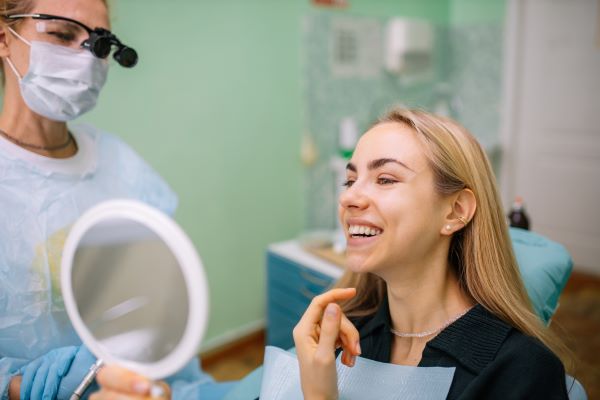
“Gradual yellowing over time is often normal and cosmetic rather than a health concern,” says Dr Jiang. “But if it’s affecting your confidence or you’re unsure of the cause, it’s always reasonable to discuss it with your dentist for whitening options."
“Dentist-guided whitening is customised to the individual, uses regulated products, and allows us to assess whether whitening is even appropriate beforehand,” explains Dr Jiang.
What is teeth whitening?
Teeth whitening basically means bleaching your teeth to lighten the colour of the enamel to a shade that is less yellow.
There are two ways a dentist can whiten teeth. The first is where a dentist applies a gel, and then a light is placed over your teeth. Depending on your dentist, you may also be given a take-home whitening treatment to use at home, too.
Dentist-led, take-home whitening trays are another option, and you can apply the gel to custom-made trays at home. You’ll be advised how to use the trays and how long to use them for by your dentist.
You can also buy over-the-counter teeth whitening products. Chat to the pharmacist or your dentist about whether they are right for you.
READ MORE: Top tips for teeth whitening
How do I stop my teeth from turning yellow?
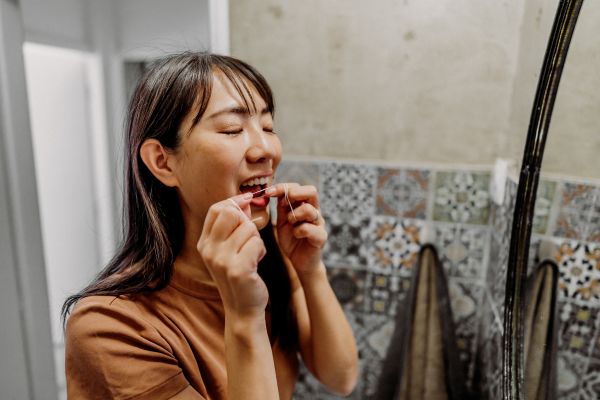
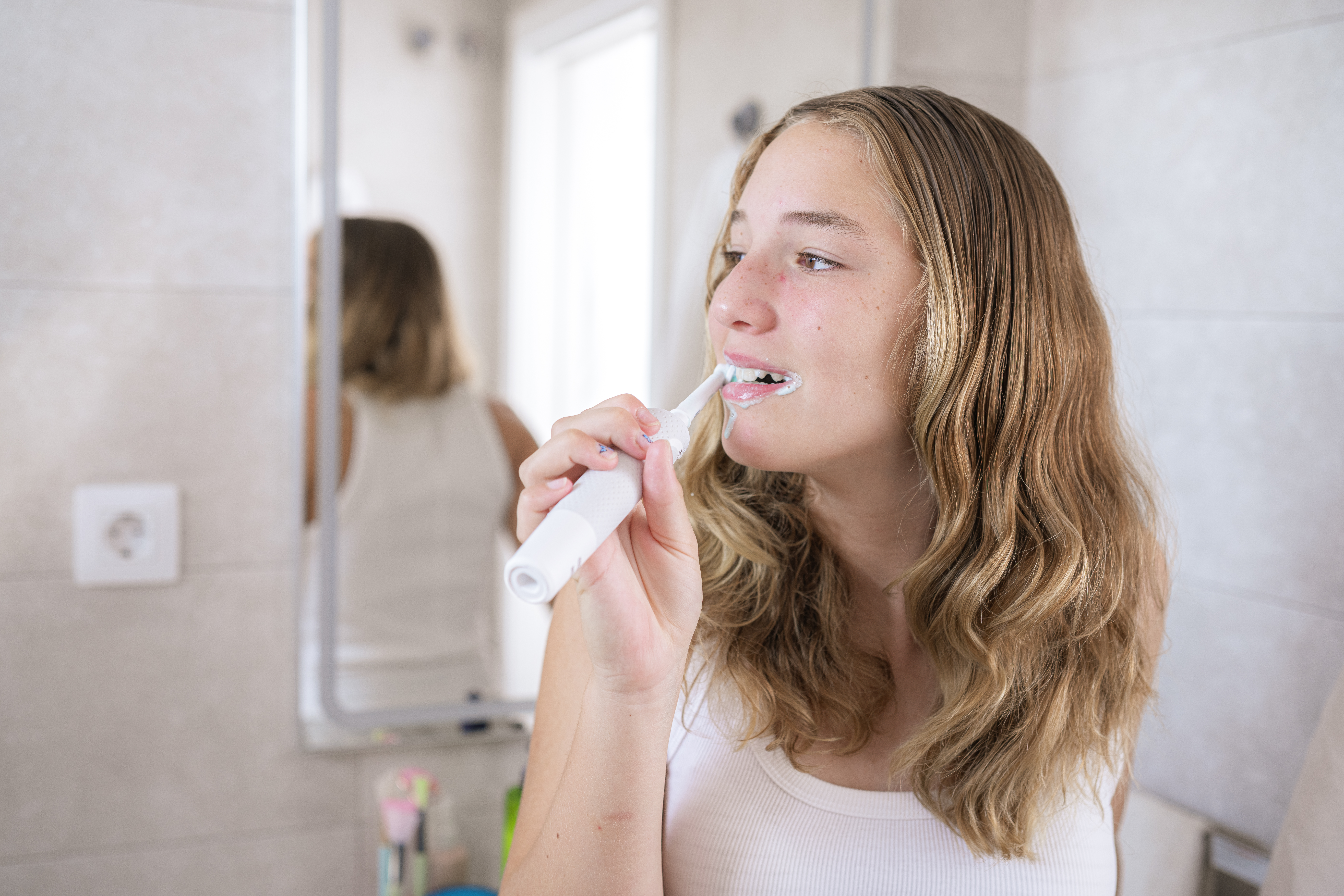
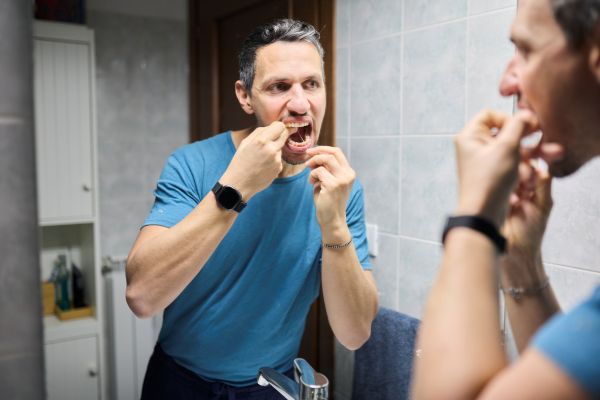
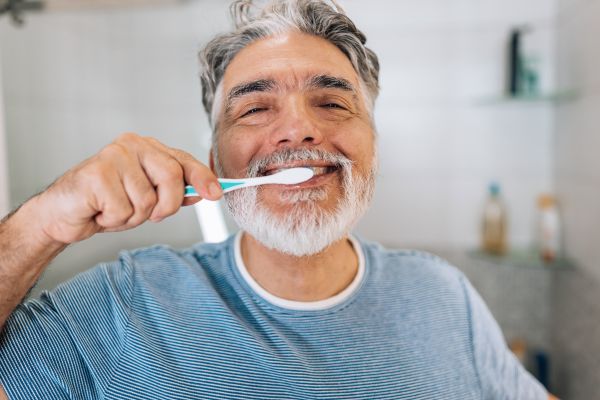
Start with your daily oral health routine with brushing and flossing twice a day, use a fluoridated toothpaste and a toothbrush with a small head and soft bristles.
READ MORE: How to brush your teeth properly
“Consistent oral care, regular dental visits, good hygiene habits and looking after your overall health will do far more for your smile long term than many other treatments,” says Dr Jiang.
Frequently asked questions
Why are my teeth yellow even though I brush every day?
It’s important to remember that yellow teeth are not necessarily unhealthy teeth. There are many reasons your teeth may appear yellow, from natural causes to lifestyle choices, including smoking, what you eat and drink, and how well you look after your teeth every day.
What should I consider before whitening my teeth?
No treatment comes without risks, so it is always best to discuss whitening options with your dentist before deciding what treatment is suitable for you. Risks associated with whitening treatment include burnt gums or lips, teeth sensitivity and enamel damage.
How do I stop coffee from staining my teeth?
Simple tips include rinsing your mouth with water after your coffee or diluting your coffee with extra milk. This helps wash away the organic compounds called polyphenols in the coffee’s tannins that can cause discolouration. If they stick to your teeth enamel, they can cause staining.
How do I know if my teeth are healthy?
If you see brown or black spots or notice holes in the surface enamel of your tooth, book in a visit to your dentist. It’s also a good idea to go for a checkup if your teeth are sore or very sensitive to cold, hot and sweet foods or drinks.
Does cola stain teeth?
Yes, drinking cola or soft drinks may contribute to tooth staining, especially if you drink them often. A 2025 study found that cola consumption was associated with measurable colour changes in the front teeth after one month, with more noticeable changes seen in higher-consumption groups.3
Our expert: Dr Jenifer Jiang
Dr Jenifer Jiang has been practising at MC Dental for over ten years. An honours graduate from Melbourne University, Dr Jenifer Jiang, is interested in cosmetic dentistry, completing her dental implantology master’s degree at ARIA and further professional development at the Stanford University School of Medicine.
-
How to support healthy gums
We discuss the signs and causes of gum disease with a dentist, including how to support healthy gums.
-
Are electric toothbrushes better?
Are electric toothbrushes better than manual? Compare the two, learn how to brush properly and find out what may suit your teeth.
-
How to remove stains from teeth
Learn what causes stains on teeth, how teeth whitening may help, and when to ask a dentist about safe stain removal.
-
How to floss your teeth
Learn how to floss your teeth correctly, how often to floss, and simple tips for keeping your gums and teeth healthy.
-
Everything you need to know about your tooth extraction and recovery
Learn how to prepare for a tooth extraction, what wisdom teeth removal involves, the healing process, pain management and potential complications.
-
How to brush your teeth properly
Learn how to brush your teeth properly, from how long to brush, to choosing a toothbrush and avoiding common mistakes.

How we reviewed this article
This content was reviewed by a Medibank healthcare professional. Medibank has strict sourcing guidelines and relies on peer-reviewed studies and information from Australian government and health peak bodies.