How to help keep your teeth healthy
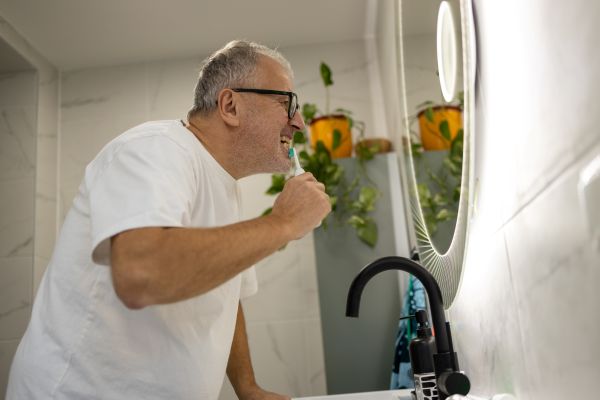
How to keep your teeth healthy comes down to more than simply brushing well. Daily habits like brushing with fluoride toothpaste, flossing between your teeth, drinking water, limiting sugar and acidic foods, and seeing a dentist when needed all help support your teeth and gums over time.
This guide explains the simple routines that aim to support long-term oral health, and when it might be worth seeking professional dental advice.
Why oral health matters for your whole body
Inside each of our mouths lives a diverse mix of bacteria and microbes which form our oral microbiome.
“When oral hygiene is poor, harmful bacteria and inflammation can increase, contributing not only to tooth decay and gum disease, but also potentially affecting broader health and wellbeing,” explains Ashleigh Ayo, dental practitioner and University of Sydney lecturer.
“What many people get wrong is thinking that oral health is only about having 'nice teeth' or avoiding cavities,” adds Ayo. “In reality, the gums, saliva, tongue, oral tissues, jaw joints, muscles, and oral microbiome all matter."
There is growing evidence that poor oral health is linked2 to a range of conditions, including:
- Cardiovascular disease (including stroke and heart disease)
- Type 2 diabetes
- Stroke
- Mouth cancer

Medibank Type 2 Diabetes Program
This program includes consultations with a dietitian and a supported meal plan that aims to help eligible members achieve a healthy weight and manage their type 2 diabetes. Clinical and product eligibility criteria apply.
Daily habits for healthy teeth and gums
Brush twice daily with toothpaste
When it comes to helping keep your teeth clean and healthy, the first step is, of course, brushing well. It is generally best to brush your teeth in the morning and at night, spending two minutes each time. Make sure you brush gently in circular motions on every tooth, including the inside and outside of your teeth and the outside surfaces.
READ MORE: Can you brush your teeth too much?
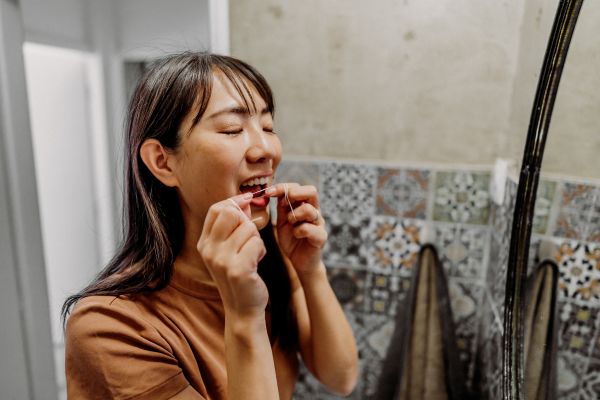
Floss once a day
We all know we should be flossing after our meals, but three in four Australians5 admit to rarely or never flossing, according to a recent survey by the Australian Dental Association.
It can be hard to get into the habit of regular flossing, so here’s how to get started:
- Start small: Begin with flossing a few times a week and gradually increase to daily flossing.
- Floss then brush: Floss before brushing so fluoride toothpaste can reach between teeth.
- Use reminders: Set a daily reminder on your phone or place sticky notes on your bathroom mirror to remind you to floss.
- Find the right tool: If you find traditional floss difficult, try floss picks, water flossers or interdental brushes.
- Reward yourself: Create a reward system for yourself when you floss regularly.
READ MORE: How to floss your teeth
How to use mouthwash correctly
Mouthwash should not replace regular flossing and brushing. It may be used alongside part of a larger dental routine, but you should ask your dentist whether it is appropriate for you. If your dentist recommends using mouthwash, they can provide instruction on how to use it. General tips might include:
- Start with it: Using mouthwash before you brush your teeth can loosen food particles and plaque, making them easier to remove during brushing.
- Choose wisely: Use a mouthwash that contains fluoride (if appropriate) and that is alcohol-free, as alcohol-based mouthwashes may contribute to dry mouth and other oral health issues.
Drink fluoridated tap water
Regular hydration with tap water is vital to good oral health as well as overall health. Water may help to wash food from your teeth, which may help reduce the risk of cavities and enamel erosion. Saliva also contains minerals like calcium and phosphate, which may help remineralise and strengthen tooth enamel.
Drinking fluoridated tap water delivers fluoride to your teeth, which helps prevent tooth decay. Water fluoridation (the process by which fluoride is added to drinking water) is available to around 89% of Australia.12
Limit sugar and acidic foods and drinks
The food we eat plays a major role in our oral health. Sugary and acidic foods and drinks fuel bacteria that may cause tooth decay, and they can erode tooth enamel, which may lead to cavities and gum disease. While everyone's needs are different, it is generally recommended to avoid or limit the following:
- Soft drinks and sports drinks
- Fruit juice
- Sticky lollies and dried fruit
- Snacking on starchy or sweet foods.
READ MORE: Foods for healthy teeth
How often should you visit the dentist?
Many dental issues, including early tooth decay, have no symptoms, so many people benefit from regular dental check-ups. However, how often you need to visit will depend on your individual oral health needs. Your dentist can recommend an appropriate interval: for most people, it's every six to 12 months.
This visit allows your dentist to check the health of your teeth and clean hard-to-reach places, remove plaque, and provide advice relevant to any potential problems.
READ MORE: Signs it's time to visit the dentist
Oral health across life stages
As we age, the way we look after our teeth has to adapt, says Ayo, “Prevention is much easier than trying to reverse damage later,” she says.
“Consistency is one of the most important factors. Oral disease is usually not caused by one neglectful day,” she adds. “It develops over time through repeated exposure to plaque, dietary sugars, acids, and inadequate cleaning."
This is what Ayo recommends:
Children and teenagers
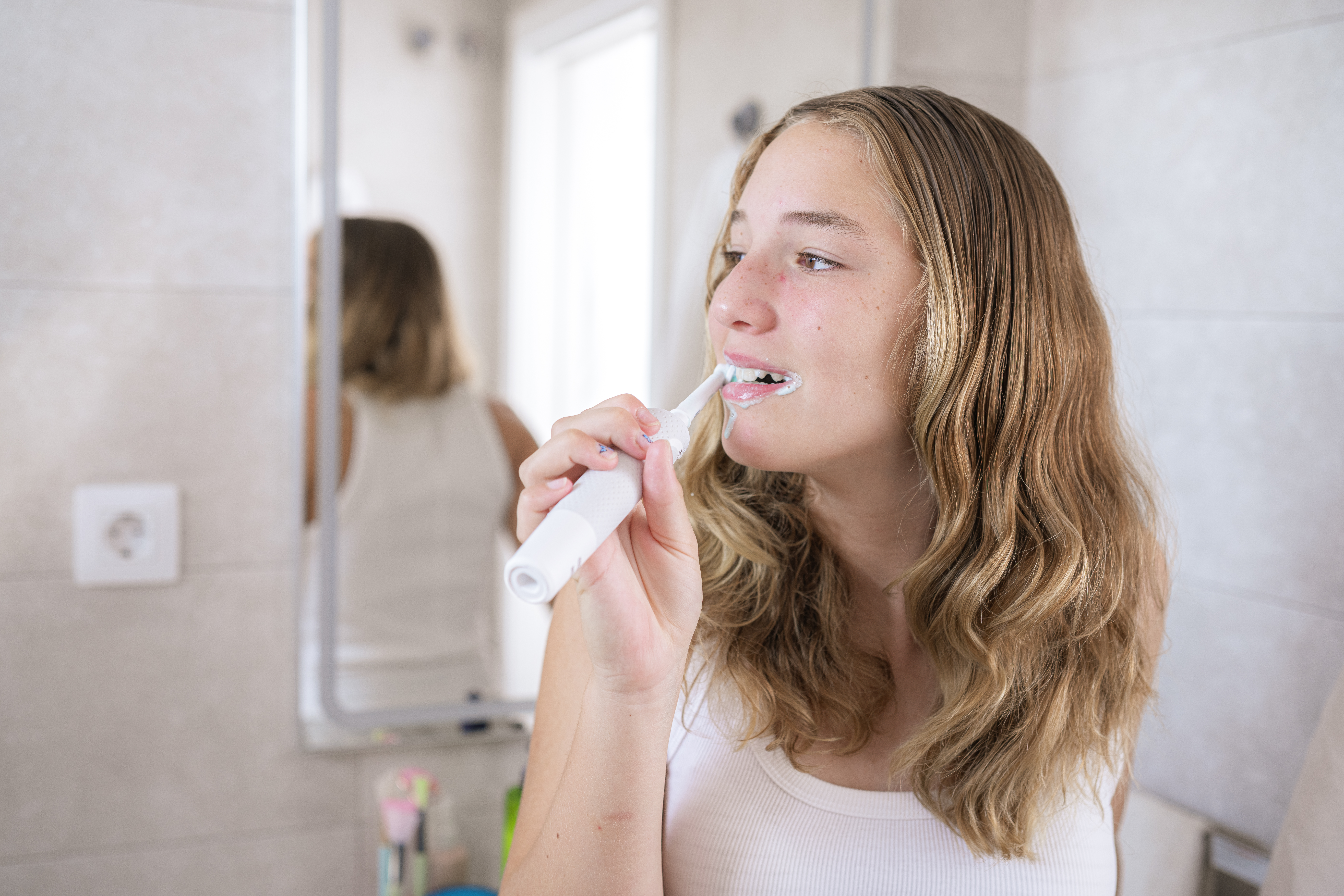
“For children and teenagers, the focus should be on prevention, routine and education. This includes twice-daily brushing with an age-appropriate fluoride toothpaste, parental support or supervision when children are young (children don’t have the dexterity to clean their teeth adequately under the age of 8 years), healthy dietary habits, and regular dental visits.”
She adds, “Teenagers may also need extra guidance around orthodontic appliances, sports mouthguards and diet and lifestyle such as soft drinks/energy drinks, vaping, snacking, and inconsistent brushing habits.”
Adults
“For adults, oral care should focus on maintaining the teeth and gums for the long term,” says Ayo. “This means brushing twice daily with fluoride toothpaste, cleaning between the teeth with floss or interdental brushes, managing diet and acidic drink intake, and attending dental check-ups at intervals recommended by a dental professional.”
Diet and lifestyle choices are also important and limiting sugar, alcohol and tobacco can all benefit your oral health.
Older Australians
“For people over 60, the focus often shifts to preservation, comfort, function and prevention of complications,” says Ayo. “Many older adults retain their natural teeth for longer, which is positive, but it also means they may be managing restorations, crowns, bridges, implants, gum recession, exposed root surfaces, dry mouth, or reduced dexterity.”
Dry mouth (common with some medications) significantly increases tooth decay risk, so good hydration is essential.
Oral health can also be linked to cognitive and cardiovascular risk in older adults, so it’s important to maintain good oral health habits throughout your life.

Here’s something to smile about.
Show us your pearly whites! Members with eligible extras cover get 100% back on up to two check-ups each year at a Members’ Choice Advantage dentist.^
Frequently asked questions
How do I keep my teeth healthy every day?
Good oral habits, including twice-daily brushing with fluoride toothpaste, may help support teeth and gum health. A balanced diet rich in calcium, phosphorus and vitamin D can also support oral health.
What kills bacteria in your gums?
Brushing teeth twice daily can help keep teeth and gums clean, and being hydrated may also support saliva production. Saliva maintains a balanced environment in our mouths.
How often should I go to the dentist?
Many people benefit from regular dental check-ups, but how often you need to go will depend on your individual oral health needs. Your dentist can recommend an appropriate check-up schedule, but the Australian Dental Association recommends a regular dental check up every six months for many people.
Should I use mouthwash every day?
Mouthwash may be a useful addition to a routine for some people, but it should not replace brushing or cleaning between your teeth. You should ask your dentist whether mouthwash is appropriate for you.
Our expert: Ashleigh Ayo
Ashleigh Ayo is a Lecturer within the Sydney Dental School at the University of Sydney. She has over 10 years' experience working in private practice, focusing on periodontics, prosthodontics, and implant dentistry. Ashleigh is a Fellow of the Higher Education Academy and a Clinical Teaching Fellow of the University of Sydney.
-
How to support healthy gums
We discuss the signs and causes of gum disease with a dentist, including how to support healthy gums.
-
Are electric toothbrushes better?
Are electric toothbrushes better than manual? Compare the two, learn how to brush properly and find out what may suit your teeth.
-
Are yellow teeth healthy?
Why are your teeth yellow? Yellow teeth aren’t always unhealthy. Learn what causes tooth discolouration and when yellow teeth may need dental care.

How we reviewed this article
This content was reviewed by a Medibank healthcare professional. Medibank has strict sourcing guidelines and relies on peer-reviewed studies and information from Australian government and health peak bodies.
Things you should know
Everyone’s oral health needs are different. These tips are general in nature and may not be suitable for everyone. If you have concerns about your teeth, gums or oral health routine, speak with a dentist or other qualified health professional. You should always use oral health products in accordance with instructions.
^Two month waiting period applies. Eligible members on Medibank extras (excluding Healthy Living Extras and Gold Ultra Health) can claim a maximum of two 100% back dental check-ups per member, per year at a Members’ Choice Advantage provider (including bitewing x-rays where clinically required). For members on eligible extras, the first two check-ups do not count towards your annual limit. Members with Healthy Living Extras can get 100% back on one dental check-up each year at a Members’ Choice Advantage provider (including up to two bitewing x-rays, where clinically required) or at a Members’ Choice provider (excluding x-rays). Members with Gold Ultra Health can get 100% back on up to three dental check-ups at a Members’ Choice or Members’ Choice Advantage provider. Members’ Choice and Members’ Choice Advantage providers are not available in all areas. Some products may have other dental inclusions, check your cover summary for details.