-
Your teeth can lose their sparkle for all sorts of reasons, from the food and drinks you enjoy to getting older, smoking or vaping. That’s why there’s no one-size-fits-all fix, and the best way to tackle discolouration depends on what’s causing it in the first place.
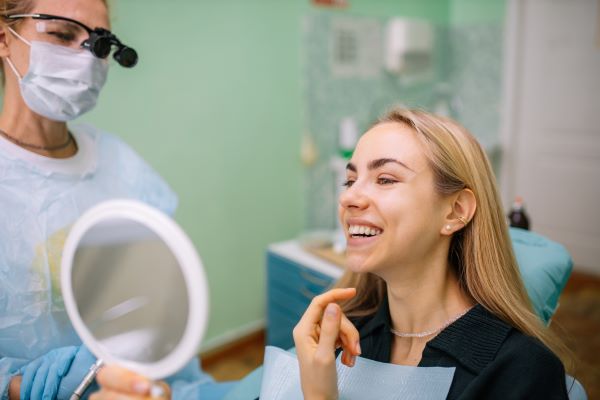
Sometimes, simple steps like regular brushing, flossing between your teeth or having a professional clean can help. But in some cases whitening by a dentist may be an appropriate treatment, so chatting to your dentist about different options is a good place to start.
Your dentist may consider a range of factors when assessing your teeth for whitening treatment.
“These include the cause of the stain, the length of time it’s been present, and even the age of the tooth,” says Dr Cichero.
From at-home kits to visiting the dentist, let’s investigate what could work for you.
READ MORE: How to brush your teeth properly
What causes stains on teeth and discolouration?
Some foods, drinks, and everyday habits can stain the outer surface of the teeth - a type of discolouration known as extrinsic staining.
“Extrinsic staining often comes from diet or lifestyle, and is more readily removed with cleaning or whitening [by a dentist],” says Dr Cichero.
Some common factors are:
- Smoking cigarettes and vapes (e-cigarettes)
- Drinking red wine, coffee or tea
- Eating certain spices, like turmeric, and berries and even coloured foods like beetroot.
“A good rule of thumb is anything that will stain a white t-shirt, will stain your teeth,” says Dr Cichero. “Some stains in t-shirts are easy to remove, others are not, and it’s the same with teeth.”
There can be other reasons for teeth staining too, which can cause both extrinsic staining and staining inside the tooth, known as intrinsic staining.
- An injury to your teeth
- Aging – as the enamel layer on your teeth starts to wear away
- Tooth decay
- A problem with the dental pulp (soft tissue inside the tooth)
- Old fillings.
“Intrinsic staining can be due to disruption to the development of the tooth, or changes from a loss of vitality following a blow,” says Dr Cichero. “It is much more difficult to manage, and will always involve custom dental care with a dentist.”
READ MORE: Can yellow teeth be healthy?
How to remove stains from teeth at home
The Australian Dental Association1 advises teeth whitening should only be carried out by trained dental practitioners, so they can assess your needs and safely treat you.
Only registered dental practitioners can use strong whitening gels and products that contain more than 6% hydrogen peroxide, which may provide greater whitening effects under dental supervision.
Dr Cichero explains “...the effectiveness of off-the-shelf products is highly variable. In addition, without the involvement of a dentist, the patient won't know the underlying cause of the discolouration.”
Over-the-counter whitening toothpastes are available in supermarkets and pharmacies.
According to the Australian Dental Association2, they work in three main ways:
- Abrasives: Can help remove plaque and surface stains without damaging the tooth enamel and dentine.
- Peroxide: Used in some whitening toothpastes, any results are likely only seen on the surface level, rather than changing the colour of the teeth.
- Stain-blocking ingredients: Certain products can help prevent pigments from sticking to the plaque on your teeth and staining them. These are commonly included in whitening toothpastes.
How does the dentist whiten your teeth?
In-chair whitening
This is done at your dental clinic by a dentist, and this treatment uses a particular type of gel. You may also have a light placed over your teeth to achieve the whitening. Your dentist could also give you a take-home whitening product to help keep your teeth white.
Take-home teeth whitening
If you opt for this take-home treatment, your dentist will supervise your treatment and give you custom-made plastic trays that fit over your teeth. Your dentist will advise you how to apply the whitening gel, and how long you should wear the trays. This method may take longer than in-chair whitening.
Internal bleaching
Sometimes, treatment can whiten the inside of a tooth. If your teeth have been injured or you’ve had root canal treatment that has caused internal staining, your dentist might recommend this as an option. Whitening treatment is placed in the centre of the tooth by your dentist and is then removed by the dentist.
Does teeth whitening work on crowns, veneers or fillings?
“Unfortunately whitening products only work on natural teeth,” says Dr Cichero. “When fillings, crowns and veneers are made, the dentist will choose the best colour on the day to match your existing teeth, or if a number of teeth are being done, to the colour you wish to achieve. Whitening will not restore vitality to crowns, veneers or fillings, and alternative options should be discussed with your dentist.”
Can natural products whiten your teeth?
Brushing teeth with charcoal powder, rinsing with apple cider vinegar and using baking soda have all been promoted online as ways to remove stains from teeth. However, these acidic and abrasive products can damage tooth enamel.
“Despite teeth being very hard, they are still vulnerable to attack,” says Dr Cichero. “Teeth like to sit in what is called a pH-neutral environment. Acidic environments that develop if you drink lemon juice or apple cider vinegar drastically soften the outer layer (enamel) and make the tooth highly vulnerable to wear and decay.
“Just as a rock sitting under a waterfall will eventually erode, constant force and pressure from an abrasive substance such as baking soda or charcoal will also erode the enamel, placing teeth at risk of damage and expensive repairs or potential loss.”
READ MORE: How often should you get your teeth professionally cleaned?
What are the risks of teeth whitening?
Whitening treatments offered outside of dental supervision, including at some beauty salons and DIY home kits, may put your teeth and oral health at risk. For example, if whitening gels or bleaches are used incorrectly, they can burn your gums.
After teeth whitening you may find your teeth are more sensitive to hot and cold temperatures, but your dentist can give you advice on how to prevent or manage that.
When should you see a dentist about teeth whitening?
“I recommend anyone wanting to change the colour of their teeth see a dentist before trying anything,” says Dr Cichero. “Most people would not attempt repairs to the brakes on your car without first visiting a mechanic to find out if that was the problem or not. So, seek the advice of a dentist to understand the full issue and how best to resolve it.”
How to remove stains from teeth
Frequently asked questions
What foods cause teeth staining?
Food and drinks that can affect the outer surface of your teeth include coffee, tea, red wine and cola. Beetroot, turmeric and berries can also cause discolouration.
How can I prevent stains on teeth?
Keeping up with a good oral hygiene routine like brushing and flossing every day can help, as can avoiding smoking and vaping. After you’ve had a food or drink that can discolour your teeth, it’s a good idea to rinse your mouth with water.
Can I whiten my teeth while pregnant?
No, teeth whitening treatment is not recommended for pregnant or breastfeeding women. While there is no firm evidence to support that whitening products can cause any harm, there also isn’t enough research to confirm it’s safe. It’s best to talk to your dentist or GP before starting any treatment.
How long after having braces removed can you whiten teeth?
Orthodontics Australia recommends3 you wait at least six months after you have your braces removed to whiten your teeth. Your teeth can feel sensitive after braces, and this gives them time to adjust.
Do teeth always need whitening?
No, the colour of your teeth does not link to their health so a bright, white smile does not mean you don’t have tooth decay or gum disease. If you want to explore teeth whitening options, it’s best to talk to your dentist about the options available.
Our expert: Dr Jonathon Cichero
Dr Jonathan Cichero is a senior clinician with more than 30 years’ experience in Dentistry. He has been a business owner of multiple practices, been a dentist in the RAAF, and is now concentrating his time on providing IV Sedation services and mentorship to other clinicians. He has advanced skills in minor oral surgery and dental implants, having provided treatment under General Anaesthesia from Brisbane to Central Queensland.
-
How to support healthy gums
We discuss the signs and causes of gum disease with a dentist, including how to support healthy gums.
-
Are electric toothbrushes better?
Are electric toothbrushes better than manual? Compare the two, learn how to brush properly and find out what may suit your teeth.
-
Are yellow teeth healthy?
Why are your teeth yellow? Yellow teeth aren’t always unhealthy. Learn what causes tooth discolouration and when yellow teeth may need dental care.

How we reviewed this article
This content was reviewed by a Medibank healthcare professional. Medibank has strict sourcing guidelines and relies on peer-reviewed studies and information from Australian government and health peak bodies.