-
Lying in bed at night struggling to sleep can be a frustrating experience, not to mention exhausting. If you are looking for a better night’s sleep, there are some evidence-based habits that may help.
What is sleep hygiene?
Sleep hygiene refers to healthy habits, behaviours and changes to your environment which may help you have a good night's sleep – like getting some sunlight and exercise during the day and making sure your bedroom is at the right temperature (17-19°C).
The important thing to remember, says Dr Moira Junge, is the best sleep hygiene strategies for you are the ones that address underlying issues.
“There are several strategies, and different strategies work for different people. For example, if you are someone who has a lot of caffeine each day, reducing that would be a good strategy to start with.”
Your sleep hygiene checklist for a better night’s rest

Listen now: Top tips for improving your sleep habits
Dr Moira Junge, health psychologist and CEO of the Sleep Health Foundation shares her top tips to help improve your sleep habits.* Read the transcript.
-
Sleep hygiene checklist
Stick to the same times for going to bed and getting up
Life happens, which means we can’t always do the same thing every day. But, where possible, try to stick to the same sleep routine.
“Try and be as regular as possible. You can't really bank sleep in advance,” says Dr Junge.
“International guidelines are really emphasising the importance of consistency, and that being more important over the long term for your health than sleep duration.”
And if you are a shift worker or can’t always control when you sleep, Dr Junge suggests being as consistent as you can.
“For shift workers, that might mean having a routine for an early shift, a late shift, and a night shift.”
Avoid naps where possible
This can make it difficult to fall asleep at night – when you need to! If you feel you need to nap during the day, try to keep it short and no longer than 20-30 minutes.
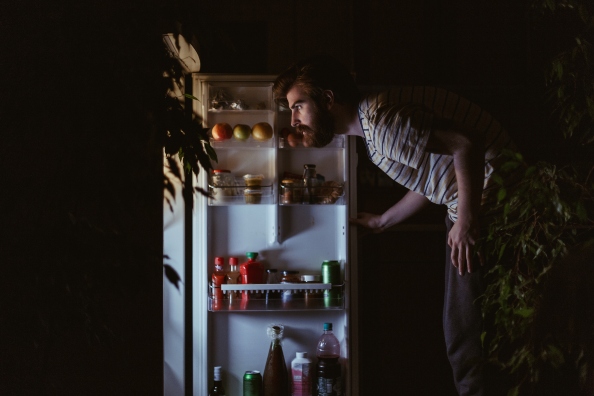
Eat larger meals at least 2 hours before bedtime
“Don’t go to bed on a full or empty stomach,” says Dr Junge. “Leave at least a couple of hours between your main meal and sleep. And make sure you're aware of what's going into your mouth – make it as healthy as possible.”
Avoid alcohol, caffeine and cigarettes
While alcohol may help you fall asleep initially, it’s known to disrupt it says Dr Junge.
“Alcohol does make people feel sleepier and more relaxed, but even moderate amounts of alcohol are quite bad for sleep quality.”
“If you do drink, keep it within the standard guidelines and separate your drinking from your sleep by a 3-4 hour buffer.”
Caffeine – in coffees, teas, colas and soft drinks – and cigarettes are also stimulants that will likely keep you awake.
READ MORE: Best foods for better sleep
Start to relax and wind down an hour before bed
“Try to have an hour or so at least of unwinding before bed,” says Dr Junge. “Whatever that looks like for you – it may be reading a book, a cup of warm milk or some gentle stretches.”
It’s worth noting that exercise is good for sleep – especially during the day in the sunlight – for sleep quality but avoid vigorous activity close to bedtime.
It’s also best to avoid using a device before bed, but if you do, keep it short and do it mindfully, says Dr Junge, “Make sure it’s not too stimulating and try and make sure it’s less than 20 minutes.”
READ MORE: Bedtime stretching exercise
Make sure your bedroom is quiet, dark and comfortable
Your mattress, pillow and blankets should all be nice and comfortable. And, just like Goldilocks and the Three Bears, the room shouldn’t be too hot or too cold. Ensure the room is quiet (use earplugs if necessary) and dark enough (use an eye mask if you need to).
READ MORE: How to set up your bedroom for better sleep
Keep distracting things out of the bedroom
Electronic devices like phones and TVs can interfere with your sleep. It’s important for your mind to make the connection, and form a healthy habit, between bed and sleep.
“Don’t use your phone while you are in bed, and if possible, keep it out of the bedroom so you don’t reach for it overnight,” says Dr Junge.
Don't watch the clock
Lying in bed worrying about the time can make you anxious, which makes it trickier to fall asleep. Keep the clock out of the bedroom or turn it around at night.
If you’re not asleep after 20 mins then go to another room and return to bed once you feel tired and sleepy
Sleep isn’t something we can force, unfortunately. If you’re struggling to sleep, get up and move to a dark, quiet space until you feel tired again, then go back to bed. This helps your mind create a healthy link between bed and sleep.
Remember that different sleep habits work for different people. Pick a couple of points from this list and try them out to see what works best for you, then, build on them.

Earn up to $400 worth of rewards every year!^
Earn points for tracking your every day healthy actions such as eating, walking, stretching... and even sleeping.
^ Medibank Live Better Challenges & Goals Earning Policy: The participant of a Medibank Live Better Challenge or Goal may not receive Live Better points or may have their already credited Live Better points reversed in accordance with the Medibank Live Better terms and conditions. To earn Live Better points, the participant needs to properly complete 100% of the eligible Challenge according to the instructions. The number of Live Better points available for Medibank Live Better Challenges and Goals is subject to change without prior notice. The maximum number of Live Better points that each Medibank Live Better member can earn from successfully completing health and wellbeing Challenges, Goals or any Onboarding action in a calendar year is 40,000 Live Better points. To the extent of any inconsistency between this Policy and the Medibank Live Better terms and conditions, the terms and conditions will take precedence.
-
Mindfulness for sleep
There are times when poor sleep is linked to stress and anxiety. This makes it difficult to fall asleep and stay asleep and can lead to further worrying about drifting off to dreamland, creating a vicious (and tiring!) cycle. If this sounds like you, then mindfulness might be helpful.
Mindfulness can be combined with other healthy sleep habits to change behaviours which may be leading to poor sleep. It’s about bringing your awareness to the present moment. We recommend trying an app like Calm, starting with just 10 minutes a day and building this up over time to 20-30 minutes, six times a week.
You can also try practicing mindfulness for sleep via the Medibank Better Minds app# which is available to eligible Medibank members with hospital cover.
How useful are sleep trackers?
But what if you don’t know how well you are sleeping? Or want to measure improvements after practicing some sleep hygiene? That’s where sleep trackers come in.
Sleep trackers come in many shapes and sizes, from wearables on your wrist to devices under your bed. They also measure different things like sleep duration, sleep stages, sleep patterns and sleep scores. However, not all devices have undergone scientific testing which means they should only be used as a general guide
Sleep trackers can be helpful, or in some cases, a hindrance says Dr Junge.
“Ask yourself, is it helping me to get better sleep and stay on track? Is it increasing my motivation? Or is it making me a little bit more worried, and therefore not sleeping well?”
“If it's the latter, put it in the drawer overnight and just use it for tracking your steps during the day.”
Do herbal remedies and supplements work?
Some people choose to use herbal remedies or supplements to help with their sleep. It’s important to check with your GP before going down this route to try herbal supplements for sleep.
When to see a health professional about sleep
While sleep hygiene is based on a sound set of principles, these tips may not work for everyone.
If you’re still struggling with sleep, or have ongoing issues with mood, excessive daytime sleepiness, restlessness in bed, severe snoring or waking up unrefreshed, it’s important to see your GP.
-
Food for sleep
A dietitian explains the role tryptophan and melatonin play in the body, the best foods to improve the quality of your sleep and what not to eat before bedtime.
-
When you can't sleep next to your partner
You love everything about them – except their sleep habits. Learn some tips to help you get an excellent night’s sleep whilst sharing a bed.
-
The 7 best sleep apps
7 apps for deep restorative sleep
-
How to set up your bedroom for better sleep
The sleep experts share some secrets.
-
Managing negative thinking before bed
Healthy thinking is part of healthy sleeping.
-
Does the early bird really get the worm?
Is waking up early better for you? We explore what the science says and how to get the best night's sleep.


Things you should know
#Not available for members with extras only cover, ambulance only cover, Overseas Student Health Cover or Overseas Workers or Visitors Health Cover.
*At the time of recording Dr Chris Robinson, host of Top Tips for Improving your Sleep, was Medibank's Chief Medical Officer.