Understanding the difference between prebiotic vs probiotic is key to understanding how they both support gut health in different ways, and how they play different but connected roles in supporting your healthy gut microbiome as a whole.
Prebiotic vs probiotic: What’s the difference?
Prebiotics and probiotics are different, but both help support your gut health.
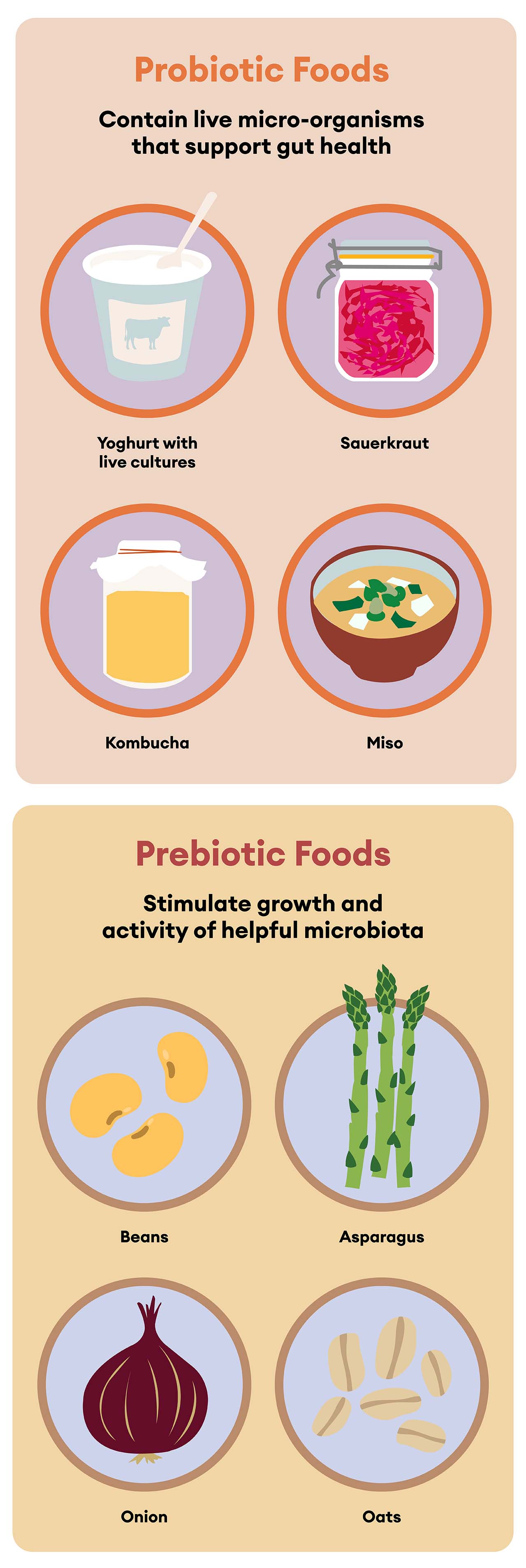
Dr Adrienne Forsyth, an Associate Professor and Research Lead in Nutrition & Dietetics at the Australian Catholic University, says we should think of prebiotics as the food – or even the fertiliser – that supports the healthy bacteria in our gut. “Prebiotics support our health by stimulating the growth and activity of helpful microbiota,” she says.
Probiotics are bacteria that support a healthy environment within our gut. “Probiotics are live microorganisms, like bacteria, that we consume through foods or supplements,” says Associate Professor Adrienne Forsyth. “They support our gut health by inhibiting the growth of harmful organisms, producing helpful substances, and improving the functions of the existing gut microbiota.”
Why do prebiotics and probiotics both matter for gut health?
Knowing the variety of ways our gut microbiome can influence our health helps us understand why prebiotics and probiotics matter.
“The gut microbiome supports digestion, metabolism, immune function and brain health,” says Forsyth. “If the gut microbiome is disrupted or becomes unhealthy, it can lead to inflammation, which can contribute to things like fatigue and potentially chronic diseases such as heart disease.”
The gut-brain axis is actively studied for its link to mental wellbeing too. Research suggests that imbalances in the gut may also be connected to low mood.1
READ MORE: The good mood diet
Best ways to add prebiotics and probiotics to your diet
“Prebiotics naturally occur in a range of whole foods and should be consumed as part of a healthy diet,” says Forsyth. “That said, we do need to be careful any time we increase fibre; we want to do it gradually and make sure we're drinking more water to minimise uncomfortable gastrointestinal symptoms.”
Natural prebiotic foods
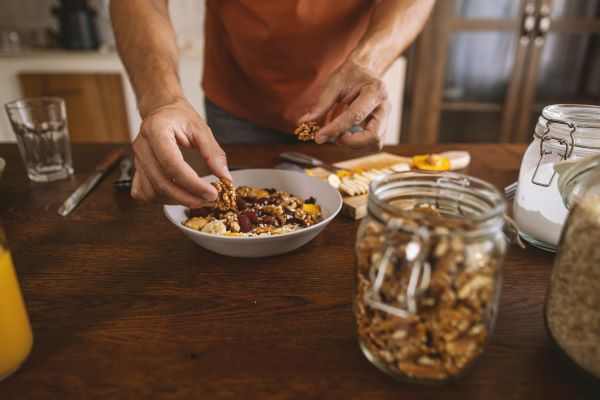
Naturally prebiotic-rich foods include some vegetables, legumes, fruit, grains, nuts and seeds.
Good examples include:
- Garlic
- Onion
- Leek
- Asparagus
- Jerusalem artichoke
- Chickpeas
- Lentils
- Red kidney beans
- Oats
- Barley
- Rye bread
- Wheat bran
- Dates
- Figs
- Cashews
- Pistachios.
“For prebiotics, this can be as simple as oats for breakfast and chickpeas in your salad at lunch,” says Forsyth.
Natural probiotic foods
Probiotic foods are typically fermented, with common options including:
- Yoghurt
- Kefir
- Miso
- Sauerkraut
- Tempeh
- Kombucha
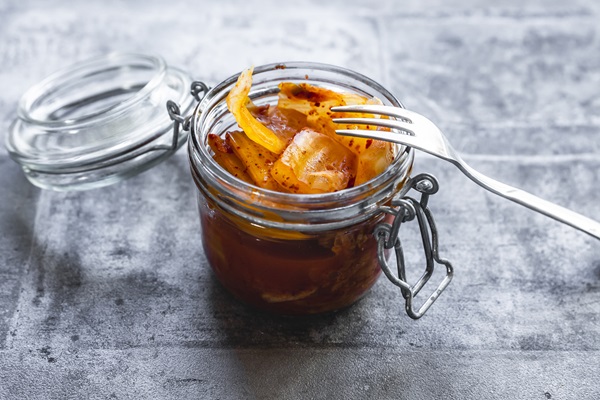
- Some pickled vegetables.
Try easy probiotic additions so you can build into meals you already eat, like yoghurt at breakfast, kimchi or sauerkraut with lunch or dinner, or a kefir smoothie as a snack.
How do prebiotics and probiotics work together?
Both prebiotics and probiotics support healthy digestion and overall gut wellbeing.
They complement each other because probiotics are beneficial bacteria, while prebiotics are the fibre-rich “food” that helps good gut bacteria grow.
“The concept of ‘synbiotics’ is when we combine a probiotic with the prebiotics that feed it,” explains Forsyth.
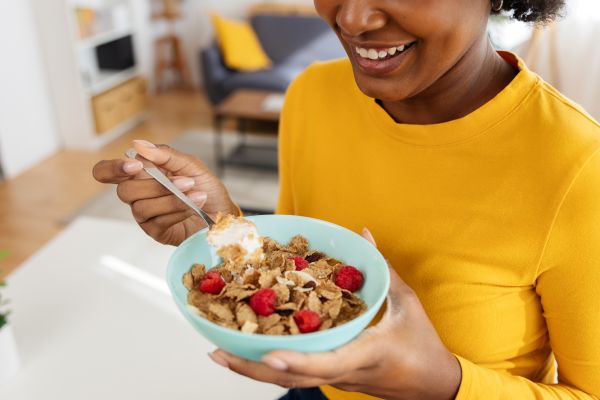
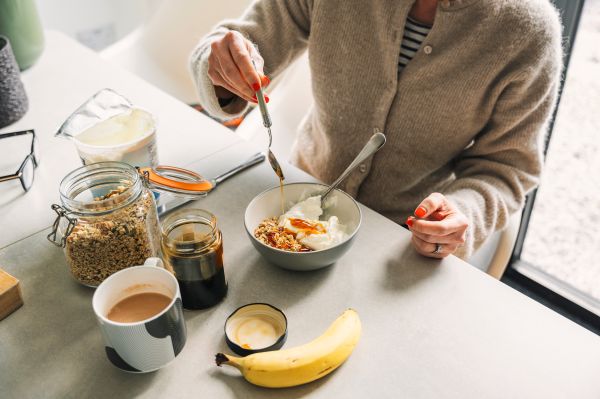
For everyday meals, that might look like yoghurt with oats, kefir with banana, or fermented vegetables with legumes or wholegrain toast. The Australian Dietary Guidelines recommend eating vegetables and legumes, fruit, and mostly wholegrain or high-fibre grain foods.
Can you get enough prebiotics and probiotics from food alone?
“If we have a healthy gut microbiome, we often don't necessarily need an external source of a supplement. But if our gut microbiome has been disrupted, probiotics may help to – even temporarily – repopulate the gut,” says Forsyth.
Those disruptions include taking antibiotics, which might affect your natural gut microbiome. You should chat to your GP about your options to help restore your natural gut microbiome balance.
“If you're considering supplements, talk to your GP or pharmacist first,” says Forsyth. “They can provide the most appropriate advice about all your options. But supplements are probably not something you need to seek out all the time.”
Remember, too, there are many things we can do to promote good gut health.
“It's not just about prebiotics and probiotics,” says Forsyth. “Things like enjoying adequate exercise and sleep, managing stress and eating a healthy diet that includes a range of minimally processed and nutrient-dense foods can help support our gut health.”

Put rewards on the menu
Munch, crunch or lunch your way to a reward with delicious healthy meals.
Healthy meal choices could get you closer to rewards from THE ICONIC, Apple, adidas and more with Live Better Rewards.
Eligible Medibank members with hospital and/or extras cover could earn up to $400 worth of rewards every year from our partners - THE ICONIC, adidas and more. *^
Frequently Asked Questions
Is all fibre a prebiotic?
No. To be classified as a prebiotic, the fibre must pass through the gastrointestinal tract undigested and help stimulate the growth or activity of beneficial bacteria in the large intestine.
What is a gut microbiome?
The gut microbiome is made up of trillions of microorganisms that live in the gut, known collectively as microbiota. While research in this area is still evolving, scientists are increasingly finding that the balance and diversity of these microorganisms can influence many aspects of health. A healthy gut microbiome generally contains a wide variety of beneficial bacteria, which may support digestion, immune function and overall wellbeing.
What is a postbiotic?
Postbiotics have been described as the next step in the gut-health chain. Prebiotics feed good gut bacteria, probiotics are the live beneficial bacteria, and postbiotics are the compounds that those bacteria can produce.
Unlike probiotics, postbiotics aren’t alive, and researchers are interested in their potential.
Which fruits are naturally high in probiotics?
Fruits naturally high in prebiotics include custard apples, nectarines, white peaches, persimmon, tamarillo, watermelon, rambutan, grapefruit and pomegranate. Dried fruits such as dates and figs can also provide prebiotic fibre.
What lifestyle factors affect gut health?
Gut health isn’t shaped by food alone. Physical activity, stress, sleep, antibiotic use, lifestyle habits and environmental factors can all affect the balance of bacteria in your gut.
To support your gut health, try to stay active, manage stress, get enough sleep and eat a variety of foods, including vegetables, fruit, legumes and wholegrain, high-fibre foods.